Drawing Pictures

You're watching a preview. 300,000+ students are watching the full lesson.
Jon Haws
BS, BSN,RN,CCRN Alumnus
Master
To Master a topic you must score > 80% on the lesson quiz.

Included In This Lesson

Study Tools For Drawing Pictures

Survival Guide for Nurses (Book)
NURSING.com students have a 99.25% NCLEX pass rate.

Outline

When I was in college the first time I randomly enrolled in an Anatomy and Physiology course.

At the time I was a Health Science major. My goal was to teach and coach or maybe work with the Red Cross.

This was back in 2003 . . . and I can honestly say that the thought of becoming a nurse had never crossed my mind . . . not even once!

I had never considered myself great at science. I signed up for the Anatomy course simply because I loved learning about the body and this seemed “fun”.

Obviously, I didn’t realize at the time that A&P is one of the most difficult undergraduate courses you will take in college.

I quickly learned that this was going to be a HARD class.

But something happened . . . . I LOVED the content and despite it being hard I actually enjoyed studying.

What I learned was that prior to this course no other subject had truly sparked my interest. With this motivation came a search for ways to learn the material.

Memorization was not going to work for me . . . I had tried that before.

And . . .

Memorization only works until . . . you forget!

I needed to find tricks that allowed me to learn the material for good and to burn it into my brain.

Here’s what I learned.


Drawing Pictures Improves Learning and Memory

The concept called picture superiority effect, as studied by Carnegie Mellon University, states that:

“concepts are much more likely to be remembered if they are presented as pictures rather than words”

So much of learning science and health care is reading, reading, reading . . . there is so much to learn in order to provide the best care for our patients.

As a student one of the best things you can do to learn those concepts is to translate the text you are reading into pictures . . .

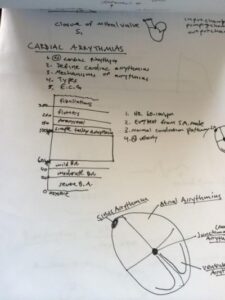
Here are some pictures from my personal notes that I took when I recently studied for the CCRN:
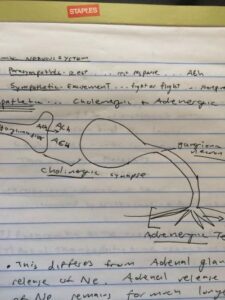
 

As you can see I use pictures EXTENSIVELY . . .

Not only do the pictures that you create help you to remember, but the actual process of creating the pictures FORCES you to learn the material well enough to create the picture in the first place.

There is an incredible study conducted by the American Federation of Teachers that states that:

“people who had high scores on spatial tests (visual learning/drawing pictures) . . . where much more likely to major in [science] disciplines . . . .”

Not only that, but they found that developing your ability to think spatially will improve your performance in science.

One last quote . . .

“Spatial training has been found to improve educational outcome . . . ”

Tips to Help you Draw Pictures to Learn

So it’s obvious that drawing can aid in learning, especially in a science based curriculum like nursing but how/what should you draw?

  1. Practice: ultimately you need to find what types of images work for you. Do you remember diagrams best, mind maps, illustrations of process, what works for you? Start today with multiple types of drawings and see what you remember best.
  2. Color: keep a pack of colored pencils, markers, or dry erase markers in your backpack. Use the color to give depth to your drawings and highlight key information.
  3. Mind maps: yes, there is a reason your teachers are trying to force you to make mind maps . . . they CAN work. I say “can” because they may not work for everyone, but they might work for you. Here are some places you can create mind maps.
    1. Pen and paper: simply draw your mind maps out on paper this is a fast way to create mind maps without constraints.
    2. Lucid Chart: I really like Lucid Chart for clean mind maps but it does take longer to create. You can start making charts for free but if you want to have multiple charts you will need an account for a couple bucks a month.
    3. PowerPoint: this is an easy way to make free charts and illustrations and you can save your presentation as a PDF or JPG.
  4. Think through the process: nursing is the perfect field of study to use charts. So much of what we do is process based and the body works via feedback loops in such a visual manner. Simply requiring yourself to think through these process as you draw will allow your imagination to flow.
  5. Don’t be a perfectionist: the point here is to help you learn. Don’t over think or overdo your drawings. Just draw exactly what works for you to help you learn the content. (as you can see my drawings are VERY crude, but they worked).


Just Get Started

So in the end I received at 98% in that Anatomy class of over 100 students and for the first time in my life I gained confidence that maybe I could learn complex material.

That ONE class changed the trajectory of my entire life. I learned how to study, I learned to love studying the body, and I began investigating health care as a career.

I know that whether or not you are a visual learner, drawing pictures will help with learning and retaining what you are studying and learning.

If mind maps don’t work for you no worries . . . actually sit down and draw the liver and label it with anatomical features and functions.


Conclusion

You can do this! The NCLEX® and nursing school are tough . . . they need to be to insure that we are prepared to provide the best patient care possible. But you can pass and have a brilliant future as a nurse!

Unlock the Complete Study System

Used by 300,000+ nursing students. 99.25% NCLEX pass rate.

200% NCLEX Pass Guarantee.
No Contract. Cancel Anytime.

🎉 Special Offer 🎉

Nursing School Doesn't Have To Be So Hard

Go from discouraged and stressed to motivated and passionate

Kaiser Ann Pajulas, USRN

Concepts Covered:

  • Basics of Sociology
  • Statistics
  • Communication
  • Fundamentals of Emergency Nursing
  • Musculoskeletal Disorders
  • Cardiac Disorders
  • Emergency Care of the Cardiac Patient
  • Medication Administration
  • Gastrointestinal Disorders
  • Pregnancy Risks
  • Labor Complications
  • Factors Influencing Community Health
  • Respiratory Disorders
  • Emergency Care of the Neurological Patient
  • EENT Disorders
  • Newborn Complications
  • Documentation and Communication
  • Preoperative Nursing
  • Legal and Ethical Issues
  • Adult
  • Substance Abuse Disorders
  • Hematologic Disorders
  • Musculoskeletal Trauma
  • Intraoperative Nursing
  • Microbiology
  • Disorders of Pancreas
  • Oncology Disorders
  • Anxiety Disorders
  • Neurologic and Cognitive Disorders
  • Personality Disorders
  • Basics of NCLEX
  • Studying
  • Newborn Care
  • Basics of Mathematics
  • Note Taking
  • Integumentary Disorders
  • Emergency Care of the Trauma Patient
  • Respiratory Emergencies
  • Developmental Considerations
  • Digestive System
  • Lower GI Disorders
  • Central Nervous System Disorders – Brain
  • Postpartum Care
  • Basic
  • Infectious Respiratory Disorder
  • Integumentary Disorders
  • Eating Disorders
  • Circulatory System
  • Cardiovascular Disorders
  • Test Taking Strategies
  • Musculoskeletal Disorders
  • EENT Disorders
  • Postoperative Nursing
  • Neurological Emergencies
  • Cognitive Disorders
  • Concepts of Population Health
  • Community Health Overview
  • Noninfectious Respiratory Disorder
  • Delegation
  • Depressive Disorders
  • Terminology
  • Postpartum Complications
  • Vascular Disorders
  • Nervous System
  • Upper GI Disorders
  • Renal and Urinary Disorders
  • Developmental Theories
  • Fetal Development
  • Endocrine and Metabolic Disorders
  • Prenatal Concepts
  • Trauma-Stress Disorders
  • Psychological Emergencies
  • Adulthood Growth and Development
  • Childhood Growth and Development
  • Prenatal and Neonatal Growth and Development
  • Renal Disorders
  • Hematologic Disorders
  • Liver & Gallbladder Disorders
  • Tissues and Glands
  • Disorders of Thermoregulation
  • Urinary Disorders
  • Urinary System
  • Shock
  • Labor and Delivery
  • Oncologic Disorders
  • Emotions and Motivation
  • Peripheral Nervous System Disorders
  • Bipolar Disorders
  • Infectious Disease Disorders
  • Immunological Disorders
  • Sexually Transmitted Infections
  • Disorders of the Thyroid & Parathyroid Glands
  • Male Reproductive Disorders
  • Central Nervous System Disorders – Spinal Cord
  • Female Reproductive Disorders
  • Acute & Chronic Renal Disorders
  • Prioritization
  • Somatoform Disorders
  • Pediatric
  • Perioperative Nursing Roles
  • Concepts of Pharmacology
  • Psychotic Disorders
  • Concepts of Mental Health
  • Neurological Trauma
  • Health & Stress
  • Respiratory System

Study Plan Lessons

Lab Panels – The Basics and What YOU Need to Know 2 – Live Tutoring Archive
Fundamentals Course Introduction
Legal & Ethical Issues in ER
Nursing Care and Pathophysiology of Osteoporosis
2nd Degree AV Heart Block Type 1 (Mobitz I, Wenckebach)
2nd Degree AV Heart Block Type 2 (Mobitz II)
3rd Degree AV Heart Block (Complete Heart Block)
6 Rights of Medication Administration
Abdomen (Abdominal) Assessment
Abortion in Nursing: Spontaneous, Induced, and Missed
Abruptio Placentae (Placental abruption)
Abuse
Access to Care
ACE (angiotensin-converting enzyme) Inhibitors
Acute Bronchitis
Acute Confusion
Acute Otitis Media (AOM)
Addicted Newborn
Admissions, Discharges, and Transfers
Advance Directives
Advanced Cardiovascular Life Support (ACLS)
Aggressive & Violent Patients
Airway Suctioning
Albumin Lab Values
Alcohol Withdrawal (Addiction)
Alkylating Agents
Alveoli & Atelectasis
Ammonia (NH3) Lab Values
Amputation
Amputation Concept Map
Anemia in Pregnancy
Anesthetic Agents
Aneurysm & Dissection
Angiotensin Receptor Blockers
Antepartum Testing
Anti Tumor Antibiotics
Anti-Infective – Aminoglycosides
Anti-Infective – Antifungals
Anti-Infective – Penicillins and Cephalosporins
Antidiabetic Agents
Antimetabolites
Antineoplastics
Anxiety
Appendicitis
Applying for Jobs
Artificial Airways
Asthma
Asthma Concept Map
Attention Deficit Hyperactivity Disorder (ADHD)
Atypical Antipsychotics
Autism Spectrum Disorders
Avoiding Alarm Fatigue
Babies by Term
Barriers to Health Assessment
Base Excess & Deficit
Basic Operations
Be a Mix Tape (Rewind and Fast-Forward)
Bed Bath
Benzodiazepines
Betamethasone and Dexamethasone
Betamethasone and Dexamethasone in Pregnancy
Bladder Cancer
Blood Cultures
Blood Transfusions (Administration)
Blunt Abdominal Trauma
Blunt Chest Trauma
Blunt Thoracic Trauma
Body Image Changes Throughout Development
Body System Assessments
Bone Cancer (Osteosarcoma, Chondrosarcoma, and Ewing Sarcoma)
Bowel Elimination
Bowel Obstruction Concept Map
Brain Death v. Comatose
Brain Tumors
Breast Cancer
Breast Cancer Concept Map
Breastfeeding
Brief CPR (Cardiopulmonary Resuscitation) Overview
Bronchiolitis and Respiratory Syncytial Virus (RSV)
Bronchoscopy
Burn Injuries
Burn Injuries
C – Content
Calcium Channel Blockers
Calcium-Ca (Hypercalcemia, Hypocalcemia)
Calculating Heart Rate
Can You Draw It
Cardiac (Heart) Enzymes
Cardiac Anatomy
Cardiac Glycosides
Cardiopulmonary Arrest
Cardiovascular Angiography
Care Plan Review (Addresses Patient Considerations) for Certified Perioperative Nurse (CNOR)
Casting & Splinting
Cataracts
Central Line Dressing Change
Cerebral Angiography
Cerebral Palsy (CP)
Cervical Cancer
Chemotherapy Patients
Chest Tube Management
Chloride-Cl (Hyperchloremia, Hypochloremia)
Cholesterol (Chol) Lab Values
Cleft Lip and Palate
Clubfoot
Cognitive Impairment Disorders
Communicating With Other nurses
Communicating With Pharmacy, RT, OT, PT
Communicating With Providers
Community Aggregates
Community Health Course Introduction
Community Health Nursing Theories
Congenital Heart Defects (CHD)
Congestive Heart Failure Concept Map
Conjunctivitis
Connections
Constipation and Encopresis (Incontinence)
Continuous Renal Replacement Therapy (CRRT, dialysis)
COPD Concept Map
Coronary Artery Disease Concept Map
Corticosteroids
Crash Cart
Critical Incident Management
Critical Thinking
CRNA
Crush Injuries
CT & MR Angiography
Cultural Awareness and Influences on Development
Cystic Fibrosis (CF)
Daily Charting
Day in the Life of a Labor Nurse
Day in the Life of a Med-surg Nurse
Day in the Life of a NICU Nurse
Day in the Life of a Postpartum Nurse
Day in the Life of an Operating Room Nurse
Decimals & Percentages
Defects of Decreased Pulmonary Blood Flow
Defects of Increased Pulmonary Blood Flow
Degree Restrictions in Career Growth
Delegation
Depression
Depression Concept Map
Developmental Considerations for the Hospitalized Individual
Diabetes Management
Different Dressings
Digestive Terminology
Diploma vs ADN vs BSN vs Bridge
Discharge (DC) Teaching After Surgery
Disseminated Intravascular Coagulation (DIC)
Dissociative Disorders
Diuretics (Loop, Potassium Sparing, Thiazide, Furosemide/Lasix)
Documentation Basics
Drawing Blood
Drawing Pictures
Dysrhythmia Emergencies
Dysrhythmias Labs
Eating Disorders (Anorexia Nervosa, Bulimia Nervosa)
Echocardiogram (Cardiac Echo)
Ectopic Pregnancy
EENT Assessment
EENT Medications
EKG (ECG) Waveforms
Electromyography (EMG)
EMTALA & Transfers
Endoscopy & EGD
Enteral & Parenteral Nutrition (Diet, TPN)
Environmental and Genetic Influences on Growth & Development
Environmental Health
Epiglottitis
Epispadias and Hypospadias
Epoetin Alfa
Erikson’s Theory of Psychosocial Development
Erythroblastosis Fetalis
Fall and Injury Prevention
Family Structure and Impact on Development
Fertilization and Implantation
Fetal Alcohol Syndrome (FAS)
Fetal Development
Fetal Environment
Fetal Heart Monitoring (FHM)
Fever
Fluid Shifts (Ascites) (Pleural Effusion)
Forensic Nurse
Fundal Height Assessment for Nurses
Gastritis
Gastrointestinal (GI) Bleed Concept Map
General Anesthesia
General Assessment (Physical assessment)
Generalized Anxiety Disorder
Genitourinary (GU) Assessment
GERD (Gastroesophageal Reflux Disease)
Gestational HTN (Hypertension)
Glaucoma
Glomerular Filtration Rate (GFR)
Gravidity and Parity (G&Ps, GTPAL)
Grief and Loss
Grief and Loss
Growth & Development – Toddlers
Growth & Development – Early Adulthood
Growth & Development – Infants
Growth & Development – Late Adulthood
Growth & Development – Middle Adulthood
Growth & Development – School Age- Adolescent
Growth & Development – Toddlers
Growth & Development -Transitioning to Adult Care
Growth and Development – Prenatal
Handling Job Rejection
Handoff Report
Hanging an IV Piggyback
Head Trauma & Traumatic Brain Injury
Head/Neck Assessment
Health Promotion & Disease Prevention
Health Promotion Assessments
Heart (Cardiac) and Great Vessels Assessment
Hematocrit (Hct) Lab Values
Hemodialysis (Renal Dialysis)
Hemoglobin (Hbg) Lab Values
Hemophilia
Hiatal Hernia
HIPAA
Histamine 1 Receptor Blockers
How to Write a Nursing Care Plan
Human Growth & Development Course Introduction
Hydatidiform Mole (Molar pregnancy)
Hydrocephalus
Hygiene
Hyperbilirubinemia (Jaundice)
Hyperemesis Gravidarum
Hyperglycaemic Hyperosmolar Non-ketotic syndrome (HHNS)
Hypertensive Emergency
Hyperthermia (Thermoregulation)
Hypertonic Solutions (IV solutions)
Hypothermia (Thermoregulation)
IM Injections
Impetigo
Infections in Pregnancy
Initial Care of the Newborn (APGAR)
Inserting a Foley (Urinary Catheter) – Female
Inserting a Foley (Urinary Catheter) – Male
Inserting an NG (Nasogastric) Tube
Insulin
Insulin Drips
Intake and Output (I&O)
Integumentary (Skin) Assessment
Interventional Radiology
Intracranial Hemorrhage
Intraoperative Positioning
Introduction to CCMM
Intubation in the OR
Iron Deficiency Anemia
Isolation Precaution Types (PPE)
IV Push Medications
Kidney Cancer
Lab Panels
Lactic Acid
Legal & Ethical Issues in ER
Legalities of Charting
Leopold Maneuvers
Leukemia
Leukemia
Levels of Consciousness (LOC)
Linen Change
Liver Cancer
Liver Function Tests
Local Anesthesia
Lung Cancer
Lung Sounds
Lymphatic Assessment
Lymphoma
Macular Degeneration
Magnesium Sulfate
Magnesium Sulfate
Magnesium Sulfate in Pregnancy
Magnetic Resonance Imaging (MRI)
MAOIs
Marfan Syndrome
Maslow’s Hierarchy of Needs in Nursing
Mastitis
Maternal Risk Factors
Mechanical Aids
Mechanisms of Labor
Meconium Aspiration
Medications in Ampules
Meds for Postpartum Hemorrhage (PPH)
Meds for PPH (postpartum hemorrhage)
Melanoma
Menstrual Cycle
Metabolic Alkalosis
Miscellaneous Nerve Disorders
Mixed (Cardiac) Heart Defects
Mobility & Assistive Devices
Moderate Sedation
Mood Disorders (Bipolar)
Multiple Myeloma
Mumps
Musculoskeletal Assessment
Nasal Disorders
Nephroblastoma
Nephrotic Syndrome
Neuro Assessment
Newborn Physical Exam
Newborn Reflexes
NG (Nasogastric)Tube Management
NG Tube Med Administration (Nasogastric)
NG Tube Medication Administration
Normal Sinus Rhythm
Nuclear Medicine
Nursing Care and Pathophysiology for Acquired Immune Deficiency Syndrome (AIDS)
Nursing Care and Pathophysiology for Anaphylaxis
Nursing Care and Pathophysiology for Anemia
Nursing Care and Pathophysiology for Appendicitis
Nursing Care and Pathophysiology for Arterial Disorders
Nursing Care and Pathophysiology for Asthma
Nursing Care and Pathophysiology for Chlamydia (STI)
Nursing Care and Pathophysiology for Cholecystitis
Nursing Care and Pathophysiology for Cirrhosis (Liver Disease, Hepatic encephalopathy, Portal Hypertension, Esophageal Varices)
Nursing Care and Pathophysiology for Crohn’s Disease
Nursing Care and Pathophysiology for Disseminated Intravascular Coagulation (DIC)
Nursing Care and Pathophysiology for Distributive Shock
Nursing Care and Pathophysiology for Diverticulosis – Diverticulitis
Nursing Care and Pathophysiology for Gonorrhea (STI)
Nursing Care and Pathophysiology for Gout
Nursing Care and Pathophysiology for Hashimoto’s Thyroiditis
Nursing Care and Pathophysiology for Hemorrhoids
Nursing Care and Pathophysiology for Herpes Simplex (HSV, STI)
Nursing Care and Pathophysiology for Herpes Zoster – Shingles
Nursing Care and Pathophysiology for Human Papilloma Virus (HPV STI)
Nursing Care and Pathophysiology for Hyperparathyroidism
Nursing Care and Pathophysiology for Hypothyroidism
Nursing Care and Pathophysiology for Inflammatory Bowel Disease (IBD)
Nursing Care and Pathophysiology for Influenza (Flu)
Nursing Care and Pathophysiology for Lyme Disease
Nursing Care and Pathophysiology for Male Infertility
Nursing Care and Pathophysiology for Meningitis
Nursing Care and Pathophysiology for Multiple Sclerosis (MS)
Nursing Care and Pathophysiology for Myasthenia Gravis
Nursing Care and Pathophysiology for Osteomyelitis
Nursing Care and Pathophysiology for Pancreatitis
Nursing Care and Pathophysiology for Parkinsons
Nursing Care and Pathophysiology for Pelvic Inflammatory Disease (PID)
Nursing Care and Pathophysiology for Peptic Ulcer Disease (PUD)
Nursing Care and Pathophysiology for Pneumothorax & Hemothorax
Nursing Care and Pathophysiology for Polycystic Ovarian Syndrome (PCOS)
Nursing Care and Pathophysiology for Pulmonary Embolism
Nursing Care and Pathophysiology for Rhabdomyolysis
Nursing Care and Pathophysiology for Scleroderma
Nursing Care and Pathophysiology for Seizure
Nursing Care and Pathophysiology for Sepsis
Nursing Care and Pathophysiology for Sickle Cell Anemia
Nursing Care and Pathophysiology for Syphilis (STI)
Nursing Care and Pathophysiology for Testicular Torsion
Nursing Care and Pathophysiology for Tuberculosis (TB)
Nursing Care and Pathophysiology of Acute Kidney (Renal) Injury (AKI)
Nursing Care and Pathophysiology of Acute Respiratory Distress Syndrome (ARDS)
Nursing Care and Pathophysiology of Chronic Kidney (Renal) Disease (CKD)
Nursing Care and Pathophysiology of COPD (Chronic Obstructive Pulmonary Disease)
Nursing Care and Pathophysiology of Coronary Artery Disease (CAD)
Nursing Care and Pathophysiology of Diabetes Mellitus (DM)
Nursing Care and Pathophysiology of Glomerulonephritis
Nursing Care and Pathophysiology of Myocardial Infarction (MI)
Nursing Care and Pathophysiology of Nephrotic Syndrome
Nursing Care and Pathophysiology of Osteoporosis
Nursing Care and Pathophysiology of Renal Calculi (Kidney Stones)
Nursing Care and Pathophysiology of Urinary Tract Infection (UTI)
Nursing Care Delivery Models
Nursing Care Plan (NCP) for Abortion, Spontaneous Abortion, Miscarriage
Nursing Care Plan (NCP) for Abruptio Placentae / Placental abruption
Nursing Care Plan (NCP) for Acquired Immune Deficiency Syndrome (AIDS)
Nursing Care Plan (NCP) for Anxiety
Nursing Care Plan (NCP) for Appendicitis
Nursing Care Plan (NCP) for Decreased Cardiac Output
Nursing Care Plan (NCP) for Gastroesophageal Reflux Disease (GERD)
Nursing Care Plan (NCP) for Glaucoma
Nursing Care Plan (NCP) for Hepatitis
Nursing Care Plan (NCP) for Herpes Zoster – Shingles
Nursing Care Plan (NCP) for Influenza
Nursing Care Plan (NCP) for Maternal-Fetal Dyad Using GTPAL
Nursing Care Plan (NCP) for Neonatal Jaundice | Hyperbilirubinemia
Nursing Care Plan (NCP) for Neural Tube Defect, Spina Bifida
Nursing Care Plan (NCP) for Neutropenia
Nursing Care Plan (NCP) for Pediculosis Capitis / Head Lice
Nursing Care Plan (NCP) for Pericarditis
Nursing Care Plan (NCP) for Pneumonia
Nursing Care Plan (NCP) for Skull Fractures
Nursing Care Plan (NCP) for Somatic Symptom Disorder (SSD)
Nursing Care Plan (NCP) for Urinary Tract Infection (UTI)
Nursing Care Plan for (NCP) Autism Spectrum Disorder
Nursing Process – Assess
Nursing Process – Diagnose
Nursing Process – Evaluate
Nutrition (Diet) in Disease
Nutrition Assessments
Nutrition in Pregnancy
Obstetrical Procedures
Obstructive Heart (Cardiac) Defects
Omphalocele
Oncology Important Points
Opioid Analgesics
Opioid Analgesics in Pregnancy
Order of Lab Draws
Osteosarcoma
Outline Question Method (Note taking)
Ovarian Cancer
Pain and Nonpharmacological Comfort Measures
Paranoid Disorders
Parasympatholytics (Anticholinergics) Nursing Considerations
Patient Positioning
Pediatric Advanced Life Support (PALS)
Pediatric Gastrointestinal Dysfunction – Diarrhea
Pediatric Oncology Basics
Pediculosis Capitis
Penetrating Abdominal Trauma
Penetrating Thoracic Trauma
Perioperative Nursing Roles
Peripheral Vascular Assessment
Peritoneal Dialysis (PD)
Personality Disorders
Pertussis – Whooping Cough
Pharmacology Course Introduction
Phenylketonuria
Phosphorus-Phos
Piaget’s Theory of Cognitive Development
Pill Crushing & Cutting
Pituitary Adenoma
Placenta Previa
Platelets (PLT) Lab Values
Pneumonia
Postpartum Discomforts
Postpartum Hematoma
Postpartum Hemorrhage (PPH)
Postpartum Physiological Maternal Changes
Potassium-K (Hyperkalemia, Hypokalemia)
PPE Donning & Doffing
Practice Settings
Precipitous Labor
Preeclampsia: Signs, Symptoms, Nursing Care, and Magnesium Sulfate
Preoperative (Preop) Nursing Priorities
Preoperative (Preop)Assessment
Pressure Line Management
Pressure Ulcers/Pressure injuries (Braden scale)
Preterm Labor
Prioritization
Prioritizing Assessments
Procedural Terminology
Process of Labor
Prostaglandins
Prostaglandins in Pregnancy
Provider Phone Calls
Psychiatry Terminology
Pulmonary Function Test
R – Real-Life
Radiation Cancer Treatment
Real-Life Experiences
Red Blood Cell (RBC) Lab Values
Renal (Kidney) Failure Labs
Reproductive Terminology
Resources for Lesson Creation
Respiratory Acidosis (interpretation and nursing interventions)
Respiratory Alkalosis
Restraints
Restrictive Lung Diseases (Pulmonary Fibrosis, Neuromuscular Disorders)
Rh Immune Globulin (Rhogam)
Rh Immune Globulin in Pregnancy
Routine Neuro Assessments
Rubeola – Measles
Safety Checks
SBAR Communication
Schizophrenia
Scoliosis
Seizure Management in the ER
Selecting THE vein
Self Concept
Sensory Terminology
Sepsis Concept Map
Shift change and Patient handoff
Sickle Cell Anemia
Signs of Pregnancy (Presumptive, Probable, Positive)
Sinus Bradycardia
Sinus Tachycardia
Sodium-Na (Hypernatremia, Hyponatremia)
Somatoform
Spiking & Priming IV Bags
Spina Bifida – Neural Tube Defect (NTD)
Spinal Cord Injury
Spinal Precautions & Log Rolling
Start and End with the Linchpin
Sterile Gloves
Stoma Care (Colostomy bag)
Stomach Cancer (Gastric Cancer)
Stress and Crisis
Stroke (CVA) Management in the ER
Stroke Concept Map
Stroke Nursing Care (CVA)
Subinvolution
SubQ Injections
Sudden Infant Death Syndrome (SIDS)
Suicidal Behavior
Surgical Incisions & Drain Sites
Surgical Prep
Surgical Wound Classification Documentation for Certified Perioperative Nurse (CNOR)
Sympathomimetics (Alpha (Clonodine) & Beta (Albuterol) Agonists)
Systemic Lupus Erythematosus (SLE)
Tenet 2 Linchpins & Connections
Tenet 3 Why Behind the What
Tenet 4 Learner-Centered Talkabouts
Tension and Cluster Headaches
Testicular Cancer
The 5-Minute Assessment (Physical assessment)
The EKG (ECG) Graph
The Medical Team
Thinking Like a Nurse
Thoracentesis
Thorax and Lungs Assessment
Threatened/Spontaneous Abortion for Certified Emergency Nursing (CEN)
Thrombocytopenia
Thyroid Cancer
Time Management
Tocolytics
Tocolytics
Tonsillitis
Topical Medications
Total Bilirubin (T. Billi) Lab Values
Trach Care
Trach Suctioning
Transient Tachypnea of Newborn
Transition To Practice
Transition to Practice Course Introduction
Trauma Survey
Triage in the ER
Troponin I (cTNL) Lab Values
Types of Exercise
Types of Schizophrenia
Umbilical Hernia
Urinary Elimination
Using Aseptic Technique
Uterine Stimulants (Oxytocin, Pitocin)
Uterine Stimulants (Oxytocin, Pitocin) Nursing Considerations
Varicella – Chickenpox
Varicocele
Venous Disorders (Chronic venous insufficiency, Deep venous thrombosis/DVT)
Vent Alarms
Vitals (VS) and Assessment
Vomiting
What Guides Nurses Practice
What is CCMM?
White Blood Cell (WBC) Lab Values
Working night shift
Working with a Preceptor
Wound Care – Assessment
Wound Care – Dressing Change
Wound Care – Selecting a Dressing
Wound Care – Wound Drains