

Goal Setting

You're watching a preview. 300,000+ students are watching the full lesson.
Jon Haws
BS, BSN,RN,CCRN Alumnus
Master
To Master a topic you must score > 80% on the lesson quiz.

Included In This Lesson

Study Tools For Goal Setting

Survival Guide for Nurses (Book)
NURSING.com students have a 99.25% NCLEX pass rate.

Outline

Obtaining your RN requires a tremendous amount of effort. To effectively reach that goal you must learn some tips and tricks about how to effectively set goals.

When applied correctly, these tips will help you reach your RN and complete all the small goals along the way.

What is Your Why?

You must identify your “WHY”.

Why do you want to be a nurse?

What is your reason . . . that is stronger than any difficulty you will face?


It doesn’t matter what your WHY is honestly. I have met incredible nurses and students with heart-wrenching backstories that motivated them to be a nurse to those who went to nursing school just to be able to go to CRNA school and make a great salary.

The point is, it doesn’t matter what the WHY is. All that matters is that your particular reason is strong enough to help you get through the tough times in school.

You should print out your WHY on a large sheet of paper so that you can refer to it often.

This WHY becomes your DREAM. The underlying reason for everything you do.

90 Day Sprint

Ever wonder why you don’t follow through with your New Year’s resolutions?

Your ability to realistically see goals into completion is limited to about 90 days.

Essentially, the feedback loop on long term goals is just too far away and we are never able to close it.

With shorter-term goals (90 days) we can close these loops and focus solely on one task and build confidence.

Rather than setting long term goals that will be too far out and possibly leave you depressed that you are not achieving them, you can build confidence in yourself by setting concrete 90 days goals.

This works perfectly for school as semesters are about 90 days.

Here’s how you do this:

  •  What is the MOST important thing that you can accomplish in the next 90 days that will create the most positive impact in your life?
    • Limit this to one skill or goal.
    • This is your outcome goal.
  • Devote the largest portion of your energy to achieving this one goal.
    • What we like to do as humans is to focus on what we are already good at . . . this is flawed. You need to downplay all other skills and goals and focus the vast majority of your time and energy on the ONE goal for those 90 days.
  • Break it down into 2-week performance goals.
    • It is important that you do not focus so hard on the outcome but break the outcome into two-week chunks of attainable goals.
    • These goals answer the question: What are you going to improve?
    • Achieving our outcome goal becomes inevitable as we reach our short term performance goals one by one.
  • At the end of the 90 days . . . Reassess and Reset.

Example:

Outcome Goal: In 90 days I will improve my average score on cardiac NCLEX practice questions from 40% to 85%.

Performance Goal 1: I am going to increase the amount of time I read cardiac lectures from 0 hours a day to 1 hour a day (M-F between 2 pm – 4 pm) in my study area.

Performance Goal 2:  I will increase the # of cardiac NCLEX style questions I take a day from 5 to 20 (M-F from 2 pm-4 pm in the school library) using NPQ by NRSNG and study the rationale for every question I get wrong making a list of those topics and questions.

Do you see how this works?

If you continue this process with improving your cardiac NCLEX question scores for 90 days broken down into two-week sprints it will become inevitable that your scores will improve.

With these performance goals in mind and focused on for the next two weeks, you will then reevaluate and set new performance goals in two weeks.

How to Set Performance Goals:

Formula: W+W+W+W=C+M

WHO is going to do WHATWHEN, and WHERE this will equate to CLARITY and MOMENTUM

Notice how on the performance goals above there is a WHO, WHAT, WHEN, and were in each goal. The goals are not ambiguous but they are highly targeted and measurable. Having them so specific allows you to have clarity about what you are doing and the motivation and momentum you need to work on the goal.

The biggest enemy to confidence and momentum is confusion and uncertainty.

Because you haven’t reached your goals doesn’t mean that YOU are a bad student, nurse, or person. It just means you need to fix your model. These process goals give you control and allow you to reach those goals and gain confidence in yourself.

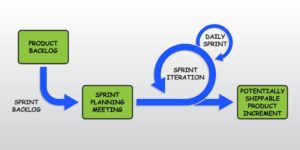
SCRUM

Scrum is a project management methodology that was originally developed for software development, but it also works well for goal setting.

Utilizing scrum is a great way to keep your 90 Day Spring in check and staying on track.

It works like this:

Product Backlog: a list of everything that needs to be done . . . everything!

Sprint Planning: you pull the most important projects that need to be done into your sprint section. These are the things that you plan to do in a short time frame.

Sprint Iteration: these are the short two week projects that you will work on.

Daily Sprint: this is what you will work on today to complete your sprint.

While SCRUM and 90 Day Sprints don’t align perfectly, do you see how you can use SCRUM to accomplish your 90 Day Sprints?

Here is a video on SCRUM to outline it a bit more.

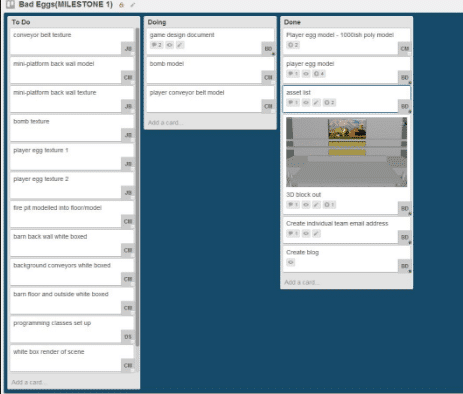
A tool that helps you stay organized on your goals is called Trello. This is a free tool/app that works like a big whiteboard with sticky notes.

Check it out here: https://trello.com/

You essentially can set up any “board” but if you just set up boards called: ToDo, Doing, Done you will be up and running.

To-Do will include all the things that need to be done. Doing is what you are currently working on. Done is everything you have completed.

You can further customize your boards to fit your situation and your goals.
While I realize this module is a bit meta, it is important to take the time required to prepare and understand how to attack a problem before just diving in. Goal setting the right way will make a tremendous impact on your nursing school success.

Unlock the Complete Study System

Used by 300,000+ nursing students. 99.25% NCLEX pass rate.

200% NCLEX Pass Guarantee.
No Contract. Cancel Anytime.

🎉 Special Offer 🎉

Nursing School Doesn't Have To Be So Hard

Go from discouraged and stressed to motivated and passionate

My Study Plan

Concepts Covered:

  • Upper GI Disorders
  • Anxiety Disorders
  • Depressive Disorders
  • Medication Administration
  • Disorders of the Posterior Pituitary Gland
  • Respiratory Disorders
  • Female Reproductive Disorders
  • Neurologic and Cognitive Disorders
  • Shock
  • Cardiac Disorders
  • Cardiovascular Disorders
  • Urinary Disorders
  • Pregnancy Risks
  • Disorders of Pancreas
  • Liver & Gallbladder Disorders
  • Hematologic Disorders
  • Nervous System
  • Substance Abuse Disorders
  • Personality Disorders
  • Dosage Calculations
  • Urinary System
  • Learning Pharmacology
  • Immunological Disorders
  • Test Taking Strategies
  • Prefixes
  • Suffixes
  • Bipolar Disorders
  • Concepts of Population Health
  • Factors Influencing Community Health
  • Community Health Overview
  • Trauma-Stress Disorders
  • Cognitive Disorders
  • Psychotic Disorders
  • Somatoform Disorders
  • EENT Disorders
  • Musculoskeletal Trauma
  • Integumentary Important Points
  • Musculoskeletal Disorders
  • Integumentary Disorders
  • Disorders of the Thyroid & Parathyroid Glands
  • Disorders of the Adrenal Gland
  • Oncology Disorders
  • Labor Complications
  • Lower GI Disorders
  • Central Nervous System Disorders – Brain
  • Emergency Care of the Neurological Patient
  • Neurological Emergencies
  • Central Nervous System Disorders – Spinal Cord
  • Noninfectious Respiratory Disorder
  • Respiratory Emergencies
  • Infectious Respiratory Disorder
  • Vascular Disorders
  • Emergency Care of the Cardiac Patient
  • Circulatory System
  • Postoperative Nursing
  • Intraoperative Nursing
  • Preoperative Nursing
  • Eating Disorders
  • Renal Disorders
  • Infectious Disease Disorders
  • Musculoskeletal Disorders
  • Renal and Urinary Disorders
  • EENT Disorders
  • Gastrointestinal Disorders
  • Hematologic Disorders
  • Oncologic Disorders
  • Endocrine and Metabolic Disorders
  • Integumentary Disorders
  • Childhood Growth and Development
  • Adulthood Growth and Development
  • Prenatal Concepts
  • Postpartum Complications
  • Fetal Development
  • Labor and Delivery
  • Postpartum Care
  • Newborn Care
  • Newborn Complications
  • Digestive System
  • Tissues and Glands
  • Concepts of Mental Health
  • Health & Stress
  • Fundamentals of Emergency Nursing
  • Developmental Theories
  • Prioritization
  • Basics of NCLEX
  • Communication
  • Emotions and Motivation
  • Delegation
  • Legal and Ethical Issues
  • Basic
  • Note Taking
  • Studying

Study Plan Lessons

Proton Pump Inhibitors
SSRIs
TCAs
Vasopressin
Anti-Infective – Penicillins and Cephalosporins
Metronidazole (Flagyl) Nursing Considerations
Ciprofloxacin (Cipro) Nursing Considerations
Vancomycin (Vancocin) Nursing Considerations
Nitro Compounds
NSAIDs
Parasympatholytics (Anticholinergics) Nursing Considerations
Hydralazine (Apresoline) Nursing Considerations
Magnesium Sulfate
Magnesium Sulfate
Insulin
MAOIs
Histamine 1 Receptor Blockers
Histamine 2 Receptor Blockers
HMG-CoA Reductase Inhibitors (Statins)
Corticosteroids
Diuretics (Loop, Potassium Sparing, Thiazide, Furosemide/Lasix)
Epoetin Alfa
Parasympathomimetics (Cholinergics) Nursing Considerations
Benzodiazepines
Calcium Channel Blockers
Cardiac Glycosides
Autonomic Nervous System (ANS)
Sympathomimetics (Alpha (Clonodine) & Beta (Albuterol) Agonists)
ACE (angiotensin-converting enzyme) Inhibitors
Angiotensin Receptor Blockers
Atypical Antipsychotics
Injectable Medications
IV Infusions (Solutions)
Complex Calculations (Dosage Calculations/Med Math)
Renin Angiotensin Aldosterone System
Basics of Calculations
Dimensional Analysis Nursing (Dosage Calculations/Med Math)
Oral Medications
The SOCK Method – S
The SOCK Method – O
The SOCK Method – C
The SOCK Method – K
Essential NCLEX Meds by Class
6 Rights of Medication Administration
The SOCK Method – Overview
12 Points to Answering Pharmacology Questions
54 Common Medication Prefixes and Suffixes
Therapeutic Drug Levels (Digoxin, Lithium, Theophylline, Phenytoin)
Communicable Diseases
Disasters & Bioterrorism
Cultural Care
Environmental Health
Technology & Informatics
Epidemiology
Health Promotion & Disease Prevention
Alcohol Withdrawal (Addiction)
Grief and Loss
Paranoid Disorders
Personality Disorders
Cognitive Impairment Disorders
Mood Disorders (Bipolar)
Depression
Schizophrenia
Generalized Anxiety Disorder
Post-Traumatic Stress Disorder (PTSD)
Somatoform
Dissociative Disorders
Anxiety
Glaucoma
Macular Degeneration
Hearing Loss
Fractures
Cataracts
Integumentary (Skin) Important Points
Nursing Care and Pathophysiology of Osteoarthritis (OA)
Nursing Care and Pathophysiology of Osteoporosis
Burn Injuries
Pressure Ulcers/Pressure injuries (Braden scale)
Nursing Care and Pathophysiology for Herpes Zoster – Shingles
Diabetes Management
Nursing Care and Pathophysiology of Diabetic Ketoacidosis (DKA)
Hyperglycaemic Hyperosmolar Non-ketotic syndrome (HHNS)
Nursing Care and Pathophysiology for Hyperthyroidism
Nursing Care and Pathophysiology for Hypothyroidism
Nursing Care and Pathophysiology of Diabetes Mellitus (DM)
Nursing Care and Pathophysiology for Cushings Syndrome
Nursing Care and Pathophysiology for Diabetes Insipidus (DI)
Nursing Care and Pathophysiology for SIADH (Syndrome of Inappropriate antidiuretic Hormone Secretion)
Oncology Important Points
Nursing Care and Pathophysiology for Acquired Immune Deficiency Syndrome (AIDS)
Nursing Care and Pathophysiology for Anaphylaxis
Addisons Disease
Blood Transfusions (Administration)
Leukemia
Lymphoma
Nursing Care and Pathophysiology for Disseminated Intravascular Coagulation (DIC)
Thrombocytopenia
Nursing Care and Pathophysiology for Peptic Ulcer Disease (PUD)
Nursing Care and Pathophysiology for Appendicitis
Nursing Care and Pathophysiology for Inflammatory Bowel Disease (IBD)
Nursing Care and Pathophysiology for Pancreatitis
Seizure Therapeutic Management
Nursing Care and Pathophysiology for Seizure
Nursing Care and Pathophysiology for Meningitis
Stroke Nursing Care (CVA)
Seizure Causes (Epilepsy, Generalized)
Seizure Assessment
Nursing Care and Pathophysiology for Ischemic Stroke (CVA)
Stroke Assessment (CVA)
Stroke Therapeutic Management (CVA)
Nursing Care and Pathophysiology for Multiple Sclerosis (MS)
Nursing Care and Pathophysiology for Parkinsons
Adjunct Neuro Assessments
Intracranial Pressure ICP
Cerebral Perfusion Pressure CPP
Routine Neuro Assessments
Levels of Consciousness (LOC)
Nursing Care and Pathophysiology for Hemorrhagic Stroke (CVA)
Chest Tube Management
Nursing Care and Pathophysiology of Pneumonia
Artificial Airways
Airway Suctioning
Nursing Care and Pathophysiology of COPD (Chronic Obstructive Pulmonary Disease)
Nursing Care and Pathophysiology for Influenza (Flu)
Nursing Care and Pathophysiology for Tuberculosis (TB)
Lung Sounds
Alveoli & Atelectasis
Gas Exchange
Nursing Care and Pathophysiology for Asthma
Nursing Care and Pathophysiology for Distributive Shock
Nursing Care and Pathophysiology for Thrombophlebitis (clot)
Nursing Care and Pathophysiology for Hypovolemic Shock
Nursing Care and Pathophysiology for Cardiogenic Shock
Pacemakers
Nursing Care and Pathophysiology of Hypertension (HTN)
Nursing Care and Pathophysiology for Cardiomyopathy
Nursing Care and Pathophysiology of Angina
Nursing Care and Pathophysiology of Myocardial Infarction (MI)
Nursing Care and Pathophysiology of Coronary Artery Disease (CAD)
Nursing Care and Pathophysiology for Heart Failure (CHF)
Premature Ventricular Contraction (PVC)
Ventricular Tachycardia (V-tach)
Ventricular Fibrillation (V Fib)
Sinus Bradycardia
Sinus Tachycardia
Performing Cardiac (Heart) Monitoring
Atrial Fibrillation (A Fib)
Hemodynamics
Preload and Afterload
Normal Sinus Rhythm
Post-Anesthesia Recovery
Postoperative (Postop) Complications
Discharge (DC) Teaching After Surgery
Local Anesthesia
Moderate Sedation
Malignant Hyperthermia
Preoperative (Preop)Assessment
Preoperative (Preop) Education
Preoperative (Preop) Nursing Priorities
General Anesthesia
Ultrasound
Biopsy
Informed Consent
Magnetic Resonance Imaging (MRI)
Cerebral Angiography
Cardiovascular Angiography
Echocardiogram (Cardiac Echo)
X-Ray (Xray)
Computed Tomography (CT)
Glucose Lab Values
Hemoglobin A1c (HbA1C)
Blood Urea Nitrogen (BUN) Lab Values
Creatinine (Cr) Lab Values
Urinalysis (UA)
Coagulation Studies (PT, PTT, INR)
Albumin Lab Values
Cholesterol (Chol) Lab Values
Ammonia (NH3) Lab Values
Hematocrit (Hct) Lab Values
White Blood Cell (WBC) Lab Values
Platelets (PLT) Lab Values
Red Blood Cell (RBC) Lab Values
Hemoglobin (Hbg) Lab Values
Chloride-Cl (Hyperchloremia, Hypochloremia)
Hypotonic Solutions (IV solutions)
Hypertonic Solutions (IV solutions)
Potassium-K (Hyperkalemia, Hypokalemia)
Sodium-Na (Hypernatremia, Hyponatremia)
Metabolic Alkalosis
Base Excess & Deficit
Isotonic Solutions (IV solutions)
ABG (Arterial Blood Gas) Interpretation-The Basics
Respiratory Acidosis (interpretation and nursing interventions)
Respiratory Alkalosis
Metabolic Acidosis (interpretation and nursing diagnosis)
ABGs Nursing Normal Lab Values
Varicella – Chickenpox
Pertussis – Whooping Cough
Attention Deficit Hyperactivity Disorder (ADHD)
Scoliosis
Rubeola – Measles
Mumps
Meningitis
Spina Bifida – Neural Tube Defect (NTD)
Autism Spectrum Disorders
Nephrotic Syndrome
Enuresis
Cerebral Palsy (CP)
Defects of Increased Pulmonary Blood Flow
Defects of Decreased Pulmonary Blood Flow
Obstructive Heart (Cardiac) Defects
Mixed (Cardiac) Heart Defects
Asthma
Cystic Fibrosis (CF)
Congenital Heart Defects (CHD)
Conjunctivitis
Acute Otitis Media (AOM)
Tonsillitis
Bronchiolitis and Respiratory Syncytial Virus (RSV)
Appendicitis
Intussusception
Constipation and Encopresis (Incontinence)
Vomiting
Pediatric Gastrointestinal Dysfunction – Diarrhea
Celiac Disease
Hemophilia
Nephroblastoma
Fever
Dehydration
Pediculosis Capitis
Burn Injuries
Sickle Cell Anemia
Growth & Development – School Age- Adolescent
Eczema
Impetigo
Growth & Development – Infants
Growth & Development – Toddlers
Growth & Development – Preschoolers
Care of the Pediatric Patient
Vitals (VS) and Assessment
Menstrual Cycle
Fundal Height Assessment for Nurses
Gravidity and Parity (G&Ps, GTPAL)
Gestation & Nägele’s Rule: Estimating Due Dates
Family Planning & Contraception
Antepartum Testing
Discomforts of Pregnancy
Physiological Changes
Maternal Risk Factors
Gestational Diabetes (GDM)
Chorioamnionitis
Nutrition in Pregnancy
Gestational HTN (Hypertension)
Hydatidiform Mole (Molar pregnancy)
Ectopic Pregnancy
Disseminated Intravascular Coagulation (DIC)
Fetal Development
Infections in Pregnancy
Mechanisms of Labor
Process of Labor
Fetal Circulation
Fetal Environment
Placenta Previa
Prolapsed Umbilical Cord
Fetal Heart Monitoring (FHM)
Leopold Maneuvers
Precipitous Labor
Preterm Labor
Abruptio Placentae (Placental abruption)
Breastfeeding
Postpartum Discomforts
Postpartum Physiological Maternal Changes
Dystocia
Initial Care of the Newborn (APGAR)
Mastitis
Postpartum Hemorrhage (PPH)
Newborn Reflexes
Body System Assessments
Newborn Physical Exam
Transient Tachypnea of Newborn
Meconium Aspiration
Babies by Term
Newborn of HIV+ Mother
Hyperbilirubinemia (Jaundice)
Head to Toe Nursing Assessment (Physical Exam)
Blood Glucose Monitoring
Specialty Diets (Nutrition)
Enteral & Parenteral Nutrition (Diet, TPN)
Bowel Elimination
Pain and Nonpharmacological Comfort Measures
Hygiene
Intake and Output (I&O)
Patient Positioning
Complications of Immobility
Urinary Elimination
Defense Mechanisms
Abuse
Overview of Developmental Theories
Prioritization
Triage
Overview of the Nursing Process
Therapeutic Communication
Isolation Precaution Types (PPE)
Maslow’s Hierarchy of Needs in Nursing
Delegation
Fall and Injury Prevention
HIPAA
Brief CPR (Cardiopulmonary Resuscitation) Overview
Fire and Electrical Safety
Advance Directives
Legal Considerations
Drawing Pictures
Duplicate Facts
Repeating Words
Denying Feelings
NCLEX® Question Traps
Outline Question Method (Note taking)
Priority
Nursing Process
Acute vs Chronic
What do you want me to know?
Absolute Words
Opposites
Same
What is the NCLEX?
Anatomy of an NCLEX Question
SATA
Goal Setting
Critical Thinking
Bloom’s Taxonomy
Time Management
Study Setting