

Addisons Disease

You're watching a preview. 300,000+ students are watching the full lesson.
Jon Haws
BS, BSN,RN,CCRN Alumnus
Master
To Master a topic you must score > 80% on the lesson quiz.
Take Quiz

Included In This Lesson

Study Tools For Addisons Disease

Addisons Assessment (Mnemonic)
Adrenal Gland Hormones (Mnemonic)
Addisons Pathochart (Cheatsheet)
Endocrine System Study Chart (Cheatsheet)
Addison’s vs. Cushing’s (Cheatsheet)
Addison’s Disease Tan and Weight Loss (Image)
NURSING.com students have a 99.25% NCLEX pass rate.

Outline

Pathophysiology:

Addison’s occurs because there is an elevated level of serum ACTH and inadequate amounts of corticosteroids.

Overview

  1. Hyposecretion of adrenal cortex hormones
  2. Decreased levels of glucocorticoids and mineralocorticoids leads to
    1. Electrolyte imbalances
    2. Decreased vascular volume
  3. Fatal if untreated

Nursing Points

General

  1. Adrenal Cortex
    1. Glucocorticoids
      1. Cortisol
      2. Glucose & Fat Metabolism
      3. Anti-inflammatory
    2. Mineralocorticoids
      1. Aldosterone
      2. Regulate fluid and electrolytes
    3. Sex hormones (Androgens)
      1. Testosterone, Estrogen
      2. Control physical features
      3. Control hair distribution
  2. Adrenal Medulla
    1. Epinephrine (Adrenaline)
    2. Norepinephrine (Noradrenaline)
    3. Fight or Flight Response

Assessment

  1. Cardiovascular
    1. Hypotension
    2. Tachycardia
  2. Metabolic
    1. Weight loss
  3. Integumentary
    1. Hyperpigmentation (bronzing)
  4. Electrolytes
    1. Hyperkalemia
    2. Hypercalcemia
    3. Hyponatremia
    4. Hypoglycemia
  5. Addisonian Crisis
    1. Acute exacerbation
    2. Severe electrolyte disturbance

Therapeutic Management of Addisons Disease

  1. Replace adrenal hormones
    1. Corticosteroids
      1. Hydrocortisone
      2. Prednisone
  2. Addisonian Crisis
    1. Monitor electrolytes and cardiovascular status closely
    2. Administer adrenal hormones as ordered
    3. Administer electrolyte replacement as needed

Nursing Concepts

  1. Fluid & Electrolytes
    1. Monitor Vital Signs
    2. Monitor electrolytes (potassium, sodium, calcium)
    3. Replace electrolytes as needed
  2. Hormone Regulation
    1. Administer replacement adrenal hormones as needed
    2. Lifelong medication therapy needed
  3. Glucose Metabolism
    1. Monitor glucose levels
    2. Treat low blood sugar

Patient Education

  1. Increase salt and water intake if exercising
  2. S/s of Addisonian Crisis
  3. May require increased medication dosing if ill, notify provider

Unlock the Complete Study System

Used by 300,000+ nursing students. 99.25% NCLEX pass rate.

200% NCLEX Pass Guarantee.
No Contract. Cancel Anytime.

ADPIE Related Lessons

Transcript

In this lesson we’re going to talk about Addison’s Disease. You’ll see that this is the opposite of Cushing’s Syndrome which we’ll talk about in the next lesson. Addison disease and cushing syndrome involve the adrenal glands.

Let’s quickly review the A&P of the adrenal glands. If you can understand what they do, it’s easier to understand what happens when something goes wrong. The adrenal glands sit on top of the kidneys. They have two parts – the outer portion is called the adrenal cortex, the inner portion is the adrenal medulla.

The adrenal cortex is responsible for secreting hormones such as glucocorticoids, mineralocorticoids, and androgens.
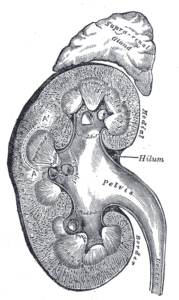
 

Function of the Adrenal Glands

  • Glucocorticoids help manage glucose and fat metabolism and have anti-inflammatory properties – they suppress immune response.
  • Mineralocorticoids like aldosterone help with fluid & electrolyte balance.
  • And androgens are sex hormones like testosterone and estrogen.

The adrenal medulla secretes epinephrine or adrenaline and norepinephrine, or noradrenaline. These hormones are responsible for the fight or flight response in the sympathetic nervous system.

In Addison’s Disease, we see a hyposecretion of hormones, specifically the ones from the adrenal cortex, the outside of the adrenal glands. So that’s decreased glucocorticoids like cortisol, decreased mineralocorticoids like aldosterone, and decreased androgen hormones. Start thinking about what this will look like in your patient.

  • Cortisol is responsible for storing fat and it increases glucose levels, so what happens if we don’t have that?
  • Aldosterone is responsible for retaining sodium and water, what happens if we don’t have that?

Those effects are going to be seen throughout the body. In the cardiovascular system, we’re going to see hypotension – why? Because there’s not enough aldosterone holding onto fluids – so our intravascular volume goes down. Remember from the hemodynamics lesson that when the blood pressure goes down, the heart rate increases to try to compensate, right? So we see tachycardia as well. Remember that cortisol is responsible for storing fats, so without enough cortisol, we see weight loss.
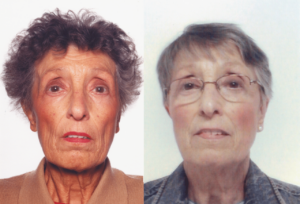
Patients with Addison’s disease also have this hyperpigmentation or bronzing of the skin. We may even say they have a persistent tan. Sometimes these initial symptoms are ignored – they’ve got tan, they’re losing weight – they won’t recognize that as a bad thing – but then they’ll start to get tired and fatigued from the low blood pressure and that’s when they’ll start to seek help.

Then, since we know that our mineralocorticoids are affected, we’re going to see electrolyte abnormalities. Remember that aldosterone is responsible for retaining sodium and water….so if we don’t have enough, we see sodium levels drop. And any time the kidneys are excreting sodium, they are retaining potassium, so we’re gonna start to see hyperkalemia. Both of these conditions are dangerous for patients because of their effects on the cardiovascular and neurological systems. We’ll also see hypercalcemia – because normally glucocorticoids help bones absorb calcium – and hypoglycemia because the glucocorticoids aren’t present to increase glucose levels. These patients could get quite hypoglycemic, so we need to monitor their sugars closely and treat low blood sugars.

Patients with Addison’s Disease can also have what’s called Addisonian Crisis. This is essentially an acute exacerbation of their disease. We see extreme symptoms, severe hypoglycemia, severe electrolyte abnormalities, and ultimately we can see cardiovascular collapse because of the lack of those hormones. This is a medical emergency, they need to be on a cardiac monitor and likely in an ICU until their condition is under control.

Addison’s Disease Treatment

Now….what kinds of things would we do for them? Well – we know this is a lack of secretion of hormones, right?

So the #1 treatment is to replace those hormones!

Primarily we will give these patients corticosteroids like Prednisone. They may also get mineralocorticoids like Fludrocortisone to help replace the functions of aldosterone. We will also replace their electrolytes as needed, usually this looks like encouraging them to increase their salt and water intake, especially before exercise. These patients will need to be on these medications for the rest of their lives. It can be a big adjustment, but they’ll feel so much better afterwards. This image is the same lady from the previous slide, except after treatment. You can see her cheeks have filled out, she no longer has the hyperpigmentation of her skin, and she just overall looks healthier. She will stay on these medications for the rest of her life.

When we have these patients in the hospital, especially those in Addisonian crisis, we want to monitor their vital signs and EKG closely, monitor their electrolytes, and monitor their blood sugar. We need to make sure we have a plan for treating their blood sugar levels. We’ll talk more about this in the Diabetes lesson, but the general rule when treating a low blood sugar is the 15-15 rule. Give 15g of sugar (Usually juice works great) and re-check in 15 minutes. If they have a decreased LOC and can’t take anything by mouth, we’ll usually give ½ amp or an amp of D50 IV or we could even give glucagon IM to get their sugars up.

Our priority concepts for a patient with Addison’s Disease are going to be Fluid & Electrolytes, Hormone Regulation, and Glucose Metabolism. Make sure you check out the care plan attached to this lesson to see more detailed nursing interventions and rationales.

So let’s do a quick recap. Addison’s disease is hyposecretion of hormones from the adrenal cortex – so decreased glucocorticoids, decreased mineralocorticoids, and decreased androgens. The androgen effects don’t play as much of a role in Addison’s as they do in Cushing’s as you’ll see. We see alterations in their fluid and electrolytes. A decreased vascular volume causes hypotension, they are excreting sodium and retaining potassium, and will have a high calcium and low blood sugar levels. Left untreated, patients can experience cardiac arrhythmias and lead into an acute exacerbation called Addisonian crisis. That leads to severe electrolyte abnormalities and potentially cardiovascular collapse and is an emergent situation. So make sure you advocate to get your patient to a higher level of care if needed.

So those are the basics of Addison’s Disease. Make sure you check out all the resources attached to this lesson to learn more. Now, go out and be your best selves today. And, as always, happy nursing!

Study Faster with Full Video Transcripts

99.25% NCLEX Pass Rate vs 88.8% National Average

200% NCLEX Pass Guarantee.
No Contract. Cancel Anytime.

🚨PRICE INCREASE COMING

Lock in Lifetime Access at OVER 50% Off

reg $499 → $199

or 5 payments of $39.99

Ends January 17

Monalisa’s Study Plan

Concepts Covered:

  • Community Health Overview
  • Circulatory System
  • Urinary System
  • Communication
  • Prenatal Concepts
  • Test Taking Strategies
  • Respiratory Disorders
  • EENT Disorders
  • Developmental Theories
  • Legal and Ethical Issues
  • Prefixes
  • Suffixes
  • Acute & Chronic Renal Disorders
  • Disorders of the Adrenal Gland
  • Preoperative Nursing
  • Integumentary Disorders
  • Integumentary Disorders
  • Prioritization
  • Bipolar Disorders
  • Disorders of the Posterior Pituitary Gland
  • Hematologic Disorders
  • Immunological Disorders
  • Renal Disorders
  • Childhood Growth and Development
  • Labor Complications
  • Upper GI Disorders
  • Medication Administration
  • Developmental Considerations
  • Adulthood Growth and Development
  • Disorders of Pancreas
  • Musculoskeletal Disorders
  • Musculoskeletal Trauma
  • Disorders of the Thyroid & Parathyroid Glands
  • Integumentary Important Points
  • Pregnancy Risks
  • Urinary Disorders
  • Cardiac Disorders
  • Learning Pharmacology
  • Documentation and Communication
  • Anxiety Disorders
  • Basic
  • Factors Influencing Community Health
  • Prenatal and Neonatal Growth and Development
  • Lower GI Disorders
  • Eating Disorders
  • Trauma-Stress Disorders
  • Microbiology
  • Oncology Disorders
  • Somatoform Disorders
  • Fundamentals of Emergency Nursing
  • Dosage Calculations
  • Concepts of Population Health
  • Understanding Society
  • Depressive Disorders
  • Personality Disorders
  • Cognitive Disorders
  • Substance Abuse Disorders
  • Psychological Emergencies
  • Hematologic Disorders
  • Liver & Gallbladder Disorders
  • Emergency Care of the Cardiac Patient
  • Female Reproductive Disorders
  • Delegation
  • Vascular Disorders
  • Oncologic Disorders
  • Postpartum Complications
  • Fetal Development
  • Endocrine and Metabolic Disorders
  • Basics of NCLEX
  • Shock
  • Studying
  • Concepts of Mental Health
  • Labor and Delivery
  • Gastrointestinal Disorders
  • Health & Stress
  • Neurological Emergencies
  • EENT Disorders
  • Emotions and Motivation
  • Intraoperative Nursing
  • Digestive System
  • Central Nervous System Disorders – Brain
  • Tissues and Glands
  • Postpartum Care
  • Cardiovascular Disorders
  • Newborn Care
  • Renal and Urinary Disorders
  • Newborn Complications
  • Neurologic and Cognitive Disorders
  • Musculoskeletal Disorders
  • Infectious Disease Disorders
  • Nervous System
  • Respiratory System
  • Behavior
  • Terminology
  • Respiratory Emergencies
  • Peripheral Nervous System Disorders
  • Proteins
  • Noninfectious Respiratory Disorder
  • Basics of Human Biology
  • Neurological Trauma
  • Concepts of Pharmacology
  • Statistics
  • Emergency Care of the Neurological Patient
  • Basics of Sociology
  • Central Nervous System Disorders – Spinal Cord
  • Infectious Respiratory Disorder
  • Psychotic Disorders
  • Emergency Care of the Trauma Patient

Study Plan Lessons

Community Health Course Introduction
EKG (ECG) Course Introduction
Fluid & Electrolytes Course Introduction
Fundamentals Course Introduction
OB Course Introduction
12 Points to Answering Pharmacology Questions
Care of the Pediatric Patient
Electrical A&P of the Heart
Glaucoma
Intro to Community Health
Menstrual Cycle
Overview of Developmental Theories
What Guides Nurses Practice
54 Common Medication Prefixes and Suffixes
Nursing Care and Pathophysiology of Acute Kidney (Renal) Injury (AKI)
Addisons Disease
Advance Directives
Burn Injuries
Cataracts
Community Health Nursing Theories
Electrolytes Involved in Cardiac (Heart) Conduction
Family Planning & Contraception
Fluid Pressures
Kohlberg’s Theory of Moral Development
Vitals (VS) and Assessment
Community Health Education
Nursing Care and Pathophysiology for Cushings Syndrome
Fluid Shifts (Ascites) (Pleural Effusion)
Macular Degeneration
Nursing Care Delivery Models
Piaget’s Theory of Cognitive Development
Pressure Ulcers/Pressure injuries (Braden scale)
Therapeutic Drug Levels (Digoxin, Lithium, Theophylline, Phenytoin)
Nursing Care and Pathophysiology for Diabetes Insipidus (DI)
Nursing Care and Pathophysiology for Disseminated Intravascular Coagulation (DIC)
Epidemiology
Epidemiology
Erikson’s Theory of Psychosocial Development
Essential NCLEX Meds by Class
Nursing Care and Pathophysiology of Glomerulonephritis
Growth & Development – Infants
Health Promotion Model
Nursing Care and Pathophysiology for Herpes Zoster – Shingles
Isotonic Solutions (IV solutions)
Nursing Care and Pathophysiology of Osteoarthritis (OA)
Nursing Care and Pathophysiology for Pancreatitis
6 Rights of Medication Administration
Environmental and Genetic Influences on Growth & Development
Growth & Development – Toddlers
Health Promotion & Disease Prevention
Health Promotion Assessments
Hearing Loss
Hypotonic Solutions (IV solutions)
Nursing Care and Pathophysiology of Osteoporosis
Nursing Care and Pathophysiology for Peptic Ulcer Disease (PUD)
Thrombocytopenia
Blood Transfusions (Administration)
Family Structure and Impact on Development
Fractures
Growth & Development – Preschoolers
Nursing Care and Pathophysiology for Hyperthyroidism
Hypertonic Solutions (IV solutions)
Integumentary (Skin) Important Points
Preload and Afterload
Nursing Care and Pathophysiology of Urinary Tract Infection (UTI)
Body Image Changes Throughout Development
Growth & Development – School Age- Adolescent
Nursing Care and Pathophysiology for Hypothyroidism
Legal Considerations
Performing Cardiac (Heart) Monitoring
Cultural Awareness and Influences on Development
HIPAA
The SOCK Method – Overview
Admissions, Discharges, and Transfers
Developmental Considerations for the Hospitalized Individual
The SOCK Method – S
Developmental Considerations for End of Life Care
Patient Education
The SOCK Method – O
The SOCK Method – C
The SOCK Method – K
Anxiety
Basics of Calculations
Brief CPR (Cardiopulmonary Resuscitation) Overview
Cultural Care
Cultural Care
Gestation & Nägele’s Rule: Estimating Due Dates
Growth and Development – Prenatal
The EKG (ECG) Graph
Nursing Care and Pathophysiology of Angina
Nursing Care and Pathophysiology for Appendicitis
Nursing Care and Pathophysiology of Chronic Kidney (Renal) Disease (CKD)
Nursing Care and Pathophysiology of Diabetes Mellitus (DM)
Dimensional Analysis Nursing (Dosage Calculations/Med Math)
EKG (ECG) Waveforms
Environmental Health
Fire and Electrical Safety
Generalized Anxiety Disorder
Gravidity and Parity (G&Ps, GTPAL)
Growth & Development – Neonate
Impetigo
Leukemia
Sodium-Na (Hypernatremia, Hyponatremia)
Access to Care
Calcium-Ca (Hypercalcemia, Hypocalcemia)
Calculating Heart Rate
Diabetes Management
Dialysis & Other Renal Points
Lymphoma
Nursing Care and Pathophysiology of Myocardial Infarction (MI)
Oral Medications
Pediculosis Capitis
Post-Traumatic Stress Disorder (PTSD)
Radiation Safety for Nurses
Burn Injuries
Chloride-Cl (Hyperchloremia, Hypochloremia)
Nursing Care and Pathophysiology of Diabetic Ketoacidosis (DKA)
Disposal of Medical Waste
Fundal Height Assessment for Nurses
Injectable Medications
Oncology Important Points
Somatoform
Technology & Informatics
Nursing Care and Pathophysiology of Coronary Artery Disease (CAD)
Fall and Injury Prevention
Hyperglycaemic Hyperosmolar Non-ketotic syndrome (HHNS)
Nursing Care and Pathophysiology for Inflammatory Bowel Disease (IBD)
IV Infusions (Solutions)
Magnesium-Mg (Hypomagnesemia, Hypermagnesemia)
Maternal Risk Factors
Complex Calculations (Dosage Calculations/Med Math)
High-Risk Behaviors
Mood Disorders (Bipolar)
Phosphorus-Phos
Nursing Care and Pathophysiology for Ulcerative Colitis(UC)
Nursing Care and Pathophysiology for Crohn’s Disease
Depression
Restraints 101
Isolation Precaution Types (PPE)
Immunizations (Vaccinations)
Infection Stages
Paranoid Disorders
Personality Disorders
Cognitive Impairment Disorders
Eating Disorders (Anorexia Nervosa, Bulimia Nervosa)
Alcohol Withdrawal (Addiction)
Grief and Loss
Suicidal Behavior
Legal Aspects of Documentation
Normal Sinus Rhythm
Normal Sinus Rhythm
Overview of Childhood Growth & Development
Physiological Changes
Program Planning
Sickle Cell Anemia
Nursing Care and Pathophysiology for Acquired Immune Deficiency Syndrome (AIDS)
Nursing Care and Pathophysiology for Cholecystitis
Discomforts of Pregnancy
Documentation Basics
Growth & Development – Infants
Nursing Care and Pathophysiology for Heart Failure (CHF)
Practice Settings
Sinus Bradycardia
Sinus Bradycardia
Nursing Care and Pathophysiology for Anaphylaxis
Antepartum Testing
Community Aggregates
Documentation Pro Tips
Growth & Development – Toddlers
Hemophilia
Nursing Care and Pathophysiology for Hepatitis (Liver Disease)
Sinus Tachycardia
Sinus Tachycardia
Atrial Flutter
Care of Vulnerable Populations
Nursing Care and Pathophysiology for Cirrhosis (Liver Disease, Hepatic encephalopathy, Portal Hypertension, Esophageal Varices)
Growth & Development – Preschoolers
Nutrition in Pregnancy
Pacemakers
SBAR Communication
Atrial Fibrillation (A Fib)
Communicable Diseases
Growth & Development – School Age- Adolescent
Handoff Report
Disasters & Bioterrorism
Growth & Development -Transitioning to Adult Care
Premature Atrial Contraction (PAC)
Continuity of Care
Supraventricular Tachycardia (SVT)
Premature Ventricular Contraction (PVC)
Ventricular Tachycardia (V-tach)
Ventricular Fibrillation (V Fib)
1st Degree AV Heart Block
2nd Degree AV Heart Block Type 1 (Mobitz I, Wenckebach)
2nd Degree AV Heart Block Type 2 (Mobitz II)
3rd Degree AV Heart Block (Complete Heart Block)
Abortion in Nursing: Spontaneous, Induced, and Missed
Growth & Development – Early Adulthood
Nursing Care and Pathophysiology for Pelvic Inflammatory Disease (PID)
Anemia in Pregnancy
Benzodiazepines
Delegation
Growth & Development – Middle Adulthood
Nursing Care and Pathophysiology of Hypertension (HTN)
Cardiac (Heart) Disease in Pregnancy
Nursing Care and Pathophysiology for Endometriosis
Growth & Development – Late Adulthood
Nephroblastoma
Prioritization
Chorioamnionitis
Nursing Care and Pathophysiology for Menopause
Triage
Nursing Care and Pathophysiology for Cardiomyopathy
Gestational Diabetes (GDM)
Disseminated Intravascular Coagulation (DIC)
Ectopic Pregnancy
Hematomas in OB Nursing: Causes, Symptoms, and Nursing Care
Nursing Care and Pathophysiology for Thrombophlebitis (clot)
Hydatidiform Mole (Molar pregnancy)
Gestational HTN (Hypertension)
Infections in Pregnancy
Preeclampsia: Signs, Symptoms, Nursing Care, and Magnesium Sulfate
HELLP Syndrome
Fertilization and Implantation
Fever
Overview of the Nursing Process
Dehydration
Fetal Development
Fetal Development
Nursing Care and Pathophysiology for Hypovolemic Shock
Nursing Process – Assess
Nursing Care and Pathophysiology for Cardiogenic Shock
Fetal Environment
Fetal Environment
Nursing Process – Diagnose
Nursing Care and Pathophysiology for Distributive Shock
Fetal Circulation
Fetal Circulation
Nursing Process – Plan
Nursing Process – Implement
Nursing Process – Evaluate
Critical Thinking
Thinking Like a Nurse
The Nurse Routine
Nurse-Patient Relationship
Process of Labor
Process of Labor
Vomiting
Pediatric Gastrointestinal Dysfunction – Diarrhea
Mechanisms of Labor
Mechanisms of Labor
Therapeutic Communication
Defense Mechanisms
Leopold Maneuvers
Leopold Maneuvers
Celiac Disease
Fetal Heart Monitoring (FHM)
Self Concept
Appendicitis
Obstetrical Procedures
Patients with Communication Difficulties
Grief and Loss
Intussusception
Stress and Crisis
Abuse
Constipation and Encopresis (Incontinence)
Patient Positioning
Complications of Immobility
Conjunctivitis
Prolapsed Umbilical Cord
Acute Otitis Media (AOM)
Placenta Previa
Placenta Previa
Types of Exercise
Abruptio Placentae (Placental abruption)
Mechanical Aids
Tonsillitis
Preterm Labor
Bowel Elimination
Precipitous Labor
Precipitous Labor
Dystocia
Dystocia
Pain and Nonpharmacological Comfort Measures
Shock
Hygiene
Overview of Developmental Theories
Postpartum Physiological Maternal Changes
Kohlberg’s Theory of Moral Development
Postpartum Interventions
Bronchiolitis and Respiratory Syncytial Virus (RSV)
MAOIs
Piaget’s Theory of Cognitive Development
Postpartum Discomforts
Breastfeeding
Breastfeeding
Erikson’s Theory of Psychosocial Development
Asthma
Family Structure and Impact on Development
SSRIs
Body Image Changes Throughout Development
Cystic Fibrosis (CF)
Cultural Awareness and Influences on Development
Developmental Considerations for the Hospitalized Individual
TCAs
Congenital Heart Defects (CHD)
Intake and Output (I&O)
Postpartum Hematoma
Defects of Increased Pulmonary Blood Flow
Blood Glucose Monitoring
Postpartum Hemorrhage (PPH)
Defects of Decreased Pulmonary Blood Flow
Mastitis
Nutrition Assessments
Insulin
Nutrition (Diet) in Disease
Obstructive Heart (Cardiac) Defects
Subinvolution
Mixed (Cardiac) Heart Defects
Postpartum Thrombophlebitis
Specialty Diets (Nutrition)
Enteral & Parenteral Nutrition (Diet, TPN)
Hierarchy of O2 Delivery
Histamine 1 Receptor Blockers
Initial Care of the Newborn (APGAR)
Nephrotic Syndrome
Artificial Airways
Enuresis
Newborn Physical Exam
Airway Suctioning
Body System Assessments
Histamine 2 Receptor Blockers
Newborn Reflexes
Newborn Reflexes
Babies by Term
Babies by Term
Cerebral Palsy (CP)
Introduction to Health Assessment
Renin Angiotensin Aldosterone System
Head to Toe Nursing Assessment (Physical Exam)
Meconium Aspiration
Meningitis
Transient Tachypnea of Newborn
Retinopathy of Prematurity (ROP)
Hyperbilirubinemia (Jaundice)
Spina Bifida – Neural Tube Defect (NTD)
ACE (angiotensin-converting enzyme) Inhibitors
Autism Spectrum Disorders
Erythroblastosis Fetalis
Addicted Newborn
Attention Deficit Hyperactivity Disorder (ADHD)
Newborn of HIV+ Mother
Angiotensin Receptor Blockers
Calcium Channel Blockers
Cardiac Glycosides
Tocolytics
Betamethasone and Dexamethasone
Scoliosis
Magnesium Sulfate
Metronidazole (Flagyl) Nursing Considerations
Opioid Analgesics
Prostaglandins
Uterine Stimulants (Oxytocin, Pitocin)
Meds for PPH (postpartum hemorrhage)
Rh Immune Globulin (Rhogam)
Lung Surfactant
Eye Prophylaxis for Newborn (Erythromycin)
Phytonadione (Vitamin K)
Hb (Hepatitis) Vaccine
Ciprofloxacin (Cipro) Nursing Considerations
Vancomycin (Vancocin) Nursing Considerations
Anti-Infective – Penicillins and Cephalosporins
Atypical Antipsychotics
Rubeola – Measles
Mumps
Varicella – Chickenpox
Pertussis – Whooping Cough
Autonomic Nervous System (ANS)
Sympathomimetics (Alpha (Clonodine) & Beta (Albuterol) Agonists)
Parasympathomimetics (Cholinergics) Nursing Considerations
Parasympatholytics (Anticholinergics) Nursing Considerations
Diuretics (Loop, Potassium Sparing, Thiazide, Furosemide/Lasix)
Epoetin Alfa
HMG-CoA Reductase Inhibitors (Statins)
Magnesium Sulfate
NSAIDs
Corticosteroids
Hydralazine (Apresoline) Nursing Considerations
Nitro Compounds
Vasopressin
ABG (Arterial Blood Gas) Interpretation-The Basics
ABG (Arterial Blood Gas) Oxygenation
ABG Course (Arterial Blood Gas) Introduction
ABGs Nursing Normal Lab Values
ABGs Tic-Tac-Toe interpretation Method
Absolute Neutrophil Count (ANC) Lab Values
Absolute Reticulocyte Count (ARC) Lab Values
Addiction – Behavioral Problems Nursing Mnemonic (The 5 D’s)
Addisons Assessment Nursing Mnemonic (STEROID)
ADLs (Activity of Daily Living) Nursing Mnemonic (BATTED)
Adrenal Gland Hormones Nursing Mnemonic (The 3 S’s)
Airborne Precaution Diseases Nursing Mnemonic (MTV)
Alanine Aminotransferase (ALT) Lab Values
Albumin Lab Values
Albumin Lab Values
Alcoholism – Outcomes Nursing Mnemonic (BAD)
Alkaline Phosphatase (ALK PHOS) Lab Values
Alkalosis and Acidosis Nursing Mnemonic (Kick Up, Drop Down)
Alpha-fetoprotein (AFP) Lab Values
Altered Mental Status Nursing Mnemonic (AEIOU TIPS)
Alzheimer – Diagnosis Nursing Mnemonic (The 5 A’s)
Ammonia (NH3) Lab Values
Anion Gap
Anion Gap
Anion Gap Acidosis 1 Nursing Mnemonic (KULT)
Anion Gap Acidosis 2 Nursing Mnemonic (MUDPILES)
Anorexia – Signs and Symptoms Nursing Mnemonic (ANOREXIA)
Antepartum Testing
Anticholinergics – Side Effects Nursing Mnemonic (4 Can’ts)
Antinuclear Antibody Lab Values
Aortic Aneurysm – Management Nursing Mnemonic (CRAM)
Aortic Aneurysm – Thoracic signs Nursing Mnemonic (PEE BADS)
Aortic Stenosis Symptoms Nursing Mnemonic (SAD)
Appendicitis – Assessment Nursing Mnemonic (PAINS)
ARDS causes Nursing Mnemonic (GUT PASS)
Arterial Blood Gases Nursing Mnemonic (ROME)
Assessment for Myasthenic Crisis Nursing Mnemonic (BRISH)
Assessment of a Burn Nursing Mnemonic (SCALD)
Assessment of Guillain-Barre Syndrome Nursing Mnemonic (GBS=PAID)
Asthma management Nursing Mnemonic (ASTHMA)
At Risk for Gout Nursing Mnemonic (MALE)
AVPU Mnemonic (The AVPU Scale)
Bacterial Endocarditis – Symptoms Nursing Mnemonic (Be Joan Of Arc)
Base Excess & Deficit
Benzodiazepines Nursing Mnemonic (Donuts and TLC)
Beta 1 and Beta 2 Nursing Mnemonic (1 Heart, 2 Lungs)
Beta Hydroxy (BHB) Lab Values
Bicarbonate (HCO3) Lab Values
Bleeding Complications (Minor) Nursing Mnemonic (BEEP)
Bleeding Precautions Nursing Mnemonic (RANDI)
Blood Type O Nursing Mnemonic (Universally Odd)
Blood Urea Nitrogen (BUN) Lab Values
BPH Symptoms Nursing Mnemonic (FUN WISE)
Brain Natriuretic Peptide (BNP) Lab Values
Bulimia – Signs and Symptoms 1 Nursing Mnemonic (BULIMIA)
Bulimia – Signs and Symptoms 2 Nursing Mnemonic (WASHED)
C-Reactive Protein (CRP) Lab Values
Cancer – Early Warning Signs Nursing Mnemonic (CAUTION UP)
Cancer – Nursing Priorities Nursing Mnemonic (CANCER)
Canes Nursing Mnemonic (COAL)
Carbon Dioxide (Co2) Lab Values
Carboxyhemoglobin Lab Values
Cardiac (Heart) Enzymes
Cardiac Valves Blood Flow Nursing Mnemonic (Toilet Paper my Ass)
Caring Licensed Practical Nurse Nursing Mnemonic (CLPN)
Causes of Anaphylaxis Nursing Mnemonic (Many Boys Love Food)
Causes of Chorioamnionitis Nursing Mnemonic (Pregnancies Are Very Interesting)
Causes of Dyspnea Nursing Mnemonic (The 6 P’s)
Causes of Labor Dystocia Nursing Mnemonic (Having Extremely Frustrating Labor)
Causes of Pancreatitis Nursing Mnemonic (BAD HITS)
Causes of Poor Gas Exchange Nursing Mnemonic (All People Can Value Lungs)
Causes of Postpartum Hemorrhage Nursing Mnemonic (4 T’s)
Causes of Renal Calculi Nursing Mnemonic (Patients Complain of Pain and Difficulty Urinating)
Chest Tube Assessment Nursing Mnemonic (Two AA’s)
CHF Treatment Nursing Mnemonic (UNLOAD FAST)
Child Abuse/Neglect – Warning Signs Nursing Mnemonic (CHILD ABUSE)
CHO, CHO, CHON Nursing Mnemonic (CHO, CHO, CHON)
Cholesterol (Chol) Lab Values
Cholinergic Crisis – Signs and Symptoms Nursing Mnemonic (SLUDGE)
Chorioamnionitis
Circulatory Checks (5 P’s) Nursing Mnemonic (The 5 P’s)
Cirrhosis Complications Nursing Mnemonic (Please Bring Happy Energy)
Cleft Lip Repair – Post Op Care Nursing Mnemonic (CLEFT LIP)
Coagulation Studies (PT, PTT, INR)
Common Pathogens for UTI Nursing Mnemonic (KEEPS)
Common Signs of Parkinson’s Nursing Mnemonic (SMART)
Community Health Tool Nursing Mnemonic (MAP-IT)
Complications of Spinal Cord Injuries Nursing Mnemonic (ABCDEFG)
Complications of Thoracentesis Nursing Mnemonic (Patients Sometimes Bleed Internally)
Congestive Heart Failure (CHF) Labs
COPD (Chronic Obstructive Pulmonary Disease) Labs
COPD management Nursing Mnemonic (COPD)
Cor Pulmonale – Signs & Symptoms Nursing Mnemonic (Please Read His Text)
Coronary Arteries – Location Nursing Mnemonic (I have a RIGHT to CAMP if you LEFT off the AC)
Cortisol Lab Vales
Cortisol Lab Vales
Cranial Nerve Mnemonic 01 Nursing Mnemonic (Olympic Opium Occupies Troubled Triathletes After Finishing Vegas Gambling Vacations Still High)
Cranial Nerve Mnemonic 02 Nursing Mnemonic (Oh Oh Oh To Touch And Feel Very Good Velvet AH!)
Cranial Nerve Mnemonic 03 Nursing Mnemonic (On Old Obando Tower Top A Filipino Army Guards Villages And Huts)
Creatine Phosphokinase (CPK) Lab Values
Creatinine (Cr) Lab Values
Creatinine Clearance Lab Values
Crohn’s Morphology and Symptoms Nursing Mnemonic (CHRISTMAS)
Cultures
Cultures
Cushings Assessment Nursing Mnemonic (STRESSED)
Cyanotic Defects Nursing Mnemonic (The 4 T’s)
Cyclic Citrullinated Peptide (CCP) Lab Values
D-Dimer (DDI) Lab Values
Decrease ICP Nursing Mnemonic (Craniums Excite Me)
Dementia Nursing Mnemonic (DEMENTIA)
Depression Assessment Nursing Mnemonic (SIGNS)
Diabetes Insipidus Nursing Mnemonic (DDD)
Diabetes Mellitus Type 1- Signs & Symptoms Nursing Mnemonic (The 3 P’s)
Diagnostic Criteria for Lupus Nursing Mnemonic (SOAP BRAIN MD)
Diarrhea – Treatment Nursing Mnemonic (BRAT)
Direct Bilirubin (Conjugated) Lab Values
Disseminated Intravascular Coagulation (DIC)
Dissociative Disorders
Diverticulitis Complications Nursing Mnemonic (Please Fix His Abscess SOon)
DKA Treatment Nursing Mnemonic (KING UFC)
Drug Interactions Nursing Mnemonic (These Drugs Can Interact)
Drugs for Bradycardia & Low Blood Pressure Nursing Mnemonic (IDEA)
Drugs that Cause SJS Nursing Mnemonic (I C NASA)
Dysrhythmias Labs
Dysrhythmias Labs
Ectopic Pregnancy
Eczema
Electrolytes – Location in Body Nursing Mnemonic (PISO)
Emergency Drugs Nursing Mnemonic (LEAN)
Environmental Health Assessment Nursing Mnemonic (I PREPARE)
Epiglottitis – Signs and Symptoms Nursing Mnemonic (AIR RAID)
Episiotomy – Evaluation of Healing Nursing Mnemonic (REEDA)
Erythrocyte Sedimentation Rate (ESR) Lab Values
Evaluation of Irregular Moles Nursing Mnemonic (ABCDE)
Exercise Guidelines Nursing Mnemonic (FIT)
Factors That Can Put a Pregnancy at Risk Nursing Mnemonic (RIBCAGE)
Family Planning & Contraception
Fetal Alcohol Syndrome (FAS)
Fetal Distress Interventions Nursing Mnemonic (Stop MOAN)
Fetal Wellbeing Assessment Tests Nursing Mnemonic (ALONE)
Fibrin Degradation Products (FDP) Lab Values
Fibrinogen Lab Values
Fire Safety 1 Nursing Mnemonic (PASS)
Fire Safety 2 Nursing Mnemonic (RACE)
Flu Symptoms Nursing Mnemonic (FACTS)
Fluid Compartments
Free T4 (Thyroxine) Lab Values
Gamma Glutamyl Transferase (GGT) Lab Values
GERD causes Nursing Mnemonic (Reflux Is Probably Mean)
Gestational Diabetes (GDM)
Global Symptoms for Brain Tumors Nursing Mnemonic (HAS)
Glomerular Filtration Rate (GFR)
Glucagon Lab Values
Glucagon Lab Values
Glucose Lab Values
Glucose Lab Values
Glucose Tolerance Test (GTT) Lab Values
Gluten Free Diet Nursing Mnemonic (BROW)
Gravidity and Parity (G&Ps, GTPAL)
Growth Hormone (GH) Lab Values
Heart Failure – Right Sided Nursing Mnemonic (HEAD)
Heart Failure-Left-Sided Nursing Mnemonic (CHOP)
Heart Failure-Origin Nursing Mnemonic (Left – Lung|Right – Rest)
Heart Sounds Nursing Mnemonic (APE To Man – All People Enjoy Time Magazine)
HELLP Syndrome – Signs and Symptoms Nursing Mnemonic (HELLP)
Hematocrit (Hct) Lab Values
Hemodynamics
Hemoglobin (Hbg) Lab Values
Hemoglobin A1c (HbA1C)
Hemorrhagic Stroke Risk Factors Nursing Mnemonic (HATS)
Hepatitis B Virus (HBV) Lab Values
Hiatal Hernia Symptoms Nursing Mnemonic (Her Belly Really Hurts Following Dinner)
High Pressure Vent Alarms Nursing Mnemonic (Kings Eat Big Cakes)
High Risk Behavior Nursing Mnemonic (HEADSS)
Homocysteine (HCY) Lab Values
Human Growth & Development Course Introduction
Hyperbilirubinemia (Jaundice)
Hypercalcemia – Signs and Symptoms Nursing Mnemonic (GROANS, MOANS, BONES, STONES, OVERTONES)
Hyperemesis Gravidarum
Hyperglycemia Management Nursing Mnemonic (Dry and Hot – Insulin Shot)
Hyperkalemia – Causes Nursing Mnemonic (MACHINE)
Hyperkalemia – Management Nursing Mnemonic (AIRED)
Hyperkalemia – Signs and Symptoms Nursing Mnemonic (Murder)
Hypernatremia – Causes Nursing Mnemonic (MODEL)
Hypernatremia – Signs and Symptoms 2 Nursing Mnemonic (FRIED)
Hypernatremia – Signs and Symptoms 2 Nursing Mnemonic (SWINE)
Hypernatremia – Signs and Symptoms 3 Nursing Mnemonic (SALT)
Hypertension – Nursing care Nursing Mnemonic (DIURETIC)
Hypertension- Complications Nursing Mnemonic (The 4 C’s)
Hypocalcemia – Definition, Signs and Symptoms Nursing Mnemonic (CATS)
Hypoglycemia – Signs and Symptoms Nursing Mnemonic (TIRED)
Hypoglycemia Management Nursing Mnemonic (Cool and Clammy – Give ‘Em Candy)
Hypoglycemia symptoms Nursing Mnemonic (DIRE)
Hypokalemia – Signs and Symptoms Nursing Mnemonic (6 L’s)
Hyponatremia- Definition, Signs and Symptoms Nursing Mnemonic (SALT LOSS)
Hypoxia – Signs and Symptoms (in Pediatrics) Nursing Mnemonic (FINES)
Hypoxia – Signs and Symptoms Nursing Mnemonic (RAT BED)
IADLS (Instrumental Activities of Daily Living) Nursing Mnemonic (SCUM)
Incompetent Cervix
Increase MAP Nursing Mnemonic (VAK)
Inflammation- Signs and Symptoms Nursing Mnemonic (HIPER)
Insulin Mnemonic (Ready, Set, Inject, Love)
Interventions for Aphasia Nursing Mnemonic (PROP)
Intra Uterine Device – Potential Problems Nursing Mnemonic (PAINS)
Intrarenal Causes of Acute Kidney Injury Nursing Mnemonic (TONIC)
Ionized Calcium Lab Values
Iron (Fe) Lab Values
Ischemic (CVA) Stroke Labs
Lab Panels
Lab Panels
Lab Values Course Introduction
Lactate Dehydrogenase (LDH) Lab Values
Lactic Acid
Leukemia – Signs and Symptoms Nursing Mnemonic (ANT)
Levels of consciousness Nursing Mnemonic (Never Carry Dirty Socks Or Smelly Clothes)
Levels of Prevention
Lidocaine Toxicity – Signs and Symptoms Nursing Mnemonic (SAMS)
Lipase Lab Values
Lipase Lab Values
Lithium Lab Values
Lithium Lab Values
Liver Function Tests
Low Pressure Vent Alarms Nursing Mnemonic (Cake Everyday)
Lymphoma – Signs and Symptoms Nursing Mnemonic (NURSE For Pete’s Sake)
Management of Glomerulonephritis Nursing Mnemonic (Please Help Deliver Diuretics)
Management of Lyme Disease Nursing Mnemonic (BAR)
Management of Pressure Ulcers (Pressure Injuries) Nursing Mnemonic (SKIN)
Manic Attack – Signs and Symptoms Nursing Mnemonic (DIG FAST)
MAO Inhibitors Nursing Mnemonic (TIPS)
Maslow’s Hierarchy of Needs in Nursing
Mastitis
Maternal Risk Factors
Mean Corpuscular Volume (MCV) Lab Values
Mean Platelet Volume (MPV) Lab Values
Meconium Aspiration
Medication Classess for IBD Nursing Mnemonic (Sometimes I Can’t Answer)
Medications for Pancreatitis Nursing Mnemonic (Please Make Tummy Better)
Medications to Prevent Seizures Nursing Mnemonic (Pretty Little Liars Forever)
Meningitis Assessment Findings Nursing Mnemonic (FAN LIPS)
Menstrual Cycle
Metabolic Acidosis (interpretation and nursing diagnosis)
Metabolic Alkalosis
Methemoglobin (MHGB) Lab Values
Mnemonic for Organ Systems (MR DICE RUNS)
Multiple Sclerosis Symptoms Nursing Mnemonic (DEMYELINATION)
Murmur locations Nursing Mnemonic (hARD ASS MRS. MSD)
Myocardial Infarction Nursing Mnemonic (MONATAS)
Myoglobin (MB) Lab Values
OB Non-Stress Test Results Nursing Mnemonic (NNN)
OLD CARTS Mnemonic (OLD CARTS)
Oral Birth Control Pills – Serious Complications Nursing Mnemonic (Aches)
Order of Lab Draws
Order of Lab Draws
Pain Assessment Questions Nursing Mnemonic (OPQRST)
Pediatric Bronchiolitis Labs
Pharmacokinetics Nursing Mnemonic (ADME)
Phosphorus (PO4) Blood Test Lab Values
Planning Community Health Interventions Nursing Mnemonic (PRECEDE-PROCEED)
Platelets (PLT) Lab Values
Pneumonia Labs
Pneumonia Labs
Pneumonia Risk Factors Nursing Mnemonic (VENTS)
Pneumothorax Signs and Symptoms Nursing Mnemonic (P-THORAX)
Possible Infections During Pregnancy Nursing Mnemonic (TORCH)
Post-Partum Assessment Nursing Mnemonic (BUBBLE)
Postpartum Hemorrhage (PPH)
Potassium-K (Hyperkalemia, Hypokalemia)
Prealbumin (PAB) Lab Values
Pregnancy Labs
Pregnancy Labs
Pregnancy Outcomes Nursing Mnemonic (GTPAL)
Premature Rupture of the Membranes (PROM)
Preterm Labor
Probable Signs of Pregnancy Nursing Mnemonic (CHOP BUGS)
Procalcitonin (PCT) Lab Values
Process of Labor – Mom Nursing Mnemonic (4 P’s)
Process of Labor – Baby Nursing Mnemonic (ALPPPS)
Promotion and Evaluation of Normal Elimination Nursing Mnemonic (POOPER SCOOP)
Prostate Nursing Mnemonic (FUN)
Prostate Specific Antigen (PSA) Lab Values
Protein (PROT) Lab Values
Protein in Urine Lab Values
Proton Pump Inhibitors
Pulmonary edema treatment Nursing Mnemonic (MAD DOG)
Pupil Reactions Nursing Mnemonic (PERRLA)
Reactivation of Herpes Zoster Nursing Mnemonic (FICA)
Reasons for a Bronchoscopy Nursing Mnemonic (Please Assess His Weird Bronchoscopy Results)
Reasons for Chest Tube Nursing Mnemonic (Don’t Ever Fail)
Red Blood Cell (RBC) Lab Values
Red Cell Distribution Width (RDW) Lab Values
Renal (Kidney) Failure Labs
Respiratory Acidosis (interpretation and nursing interventions)
Respiratory Alkalosis
Restrictive Lung Disease Causes Nursing Mnemonic (PAINT)
Rheumatoid Arthritis Assessment Nursing Mnemonic (RHEUMATOID)
Risk Factors for Cholelithiasis Nursing Mnemonic (5-F’s)
Risk Factors for Osteoporosis Nursing Mnemonic (ACCESS)
ROME – ABG (Arterial Blood Gas) Interpretation
Safety Check Nursing Mnemonic (MADLE)
SBAR Communication Nursing Mnemonic (SBAR)
Schizophrenia
Scleroderma Symptoms Nursing Mnemonic (CREST)
Seizure Causes Nursing Mnemonic (VITAMIN)
Seizure Documentation Nursing Mnemonic (TDOC)
Senile Dementia – Assess for Changes Nursing Mnemonic (JAMCO)
Sepsis Labs
Sepsis Labs
Shock – Signs and symptoms Nursing Mnemonic (TV SPARC CUBE)
Shorthand Lab Values
Nursing Care and Pathophysiology for SIADH (Syndrome of Inappropriate antidiuretic Hormone Secretion)
Signs of Osteoarthritis Nursing Mnemonic (OSTEO)
Signs of Pregnancy (Presumptive, Probable, Positive)
Sprains and Strains – Nursing Care Nursing Mnemonic (RICE)
SSRI’s Nursing Mnemonic (Effective For Sadness, Panic, and Compulsions)
Stages of Fetal Development Nursing Mnemonic (Proficiently Expanding Fetus)
Stages of Hepatitis Nursing Mnemonic (PIP)
Steps in the Nursing Process 1 Nursing Mnemonic (ADPIE)
Steps in the Nursing Process 2 Nursing Mnemonic (AAPIE)
Steps In The Nursing Process 3 Nursing Mnemonic (SOAPIE)
Steroids – Side Effects Nursing Mnemonic (6 S’s)
Stoke Assessments Nursing Mnemonic (FAST)
Symptoms of Hyperthyroidism Nursing Mnemonic (SWEATING)
Symptoms of Hypothyroidism Nursing Mnemonic (MOM’S SO TIRED)
Symptoms of Nephrotic Syndrome Nursing Mnemonic (NAPHROTIC)
Symptoms of Wernicke’s Encephalopathy Nursing Mnemonic (COAT)
TB Drugs Nursing Mnemonic (RIPE)
Thyroid Stimulating Hormone (TSH) Lab Values
Thyroxine (T4) Lab Values
Total Bilirubin (T. Billi) Lab Values
Total Iron Binding Capacity (TIBC) Lab Values
Toxicity Sepsis- Signs and Symptoms Nursing Mnemonic (The 6 T’s)
Tracheal Esophageal Fistula – Sign and Symptoms Nursing Mnemonic (The 3 C’s)
Traction – Nursing Care Nursing Mnemonic (TRACTION)
Transient Incontinence – Common Causes Nursing Mnemonic (P-DIAPERS)
Trauma – Assessment (Emergency) Nursing Mnemonic (ABCDEFGHI)
Trauma – Complications Nursing Mnemonic (TRAUMATIC)
Trauma Surgery – Medical History Nursing Mnemonic (AMPLE)
Treatment of Sickle Cell Nursing Mnemonic (HOP to the hospital)
Triage Nursing Mnemonic (START)
Triiodothyronine (T3) Lab Values
Troponin I (cTNL) Lab Values
Two pathways of the peripheral nervous system Nursing Mnemonic (SAME)
Types of Anemia Nursing Mnemonic (Always Introduce Special Patients)
Types of Hemorrhoids Nursing Mnemonic (Pie)
Ulcerative Colitis – Assessment Nursing Mnemonic (MADE 10)
Umbilical Cord Vasculature Nursing Mnemonic (2A1V)
Urinalysis (UA)
Urinalysis (UA)
Urinary Elimination
Urine Culture and Sensitivity Lab Values
Vascular Disease – Deep Vein Thrombosis Nursing Mnemonic (HIS Leg Might Fall off)
Vascular disease – Raynaud’s symptoms Nursing Mnemonic (COLD HAND)
Vasospasm Therapy Nursing Mnemonic (Triple H Therapy)
VEAL CHOP Nursing Mnemonic (Fetal Accelerations and Decelerations) (VEAL CHOP)
Vitamin B12 Lab Values
Vitamin D Lab Values
Vitamins – Fat Soluble Nursing Mnemonic (All Dogs Eat Kibble)
Vitamins – Water Soluble Nursing Mnemonic (Birth Control)
Walkers Nursing Mnemonic (Wandering Wilma Always Late)
White Blood Cell (WBC) Lab Values
Who Needs Dialysis Nursing Mnemonic (AEIOU)