Test Taking Course Introduction

You're watching a preview. 300,000+ students are watching the full lesson.
Jon Haws
BS, BSN,RN,CCRN Alumnus
Master
To Master a topic you must score > 80% on the lesson quiz.

Included In This Lesson

NURSING.com students have a 99.25% NCLEX pass rate.

Outline

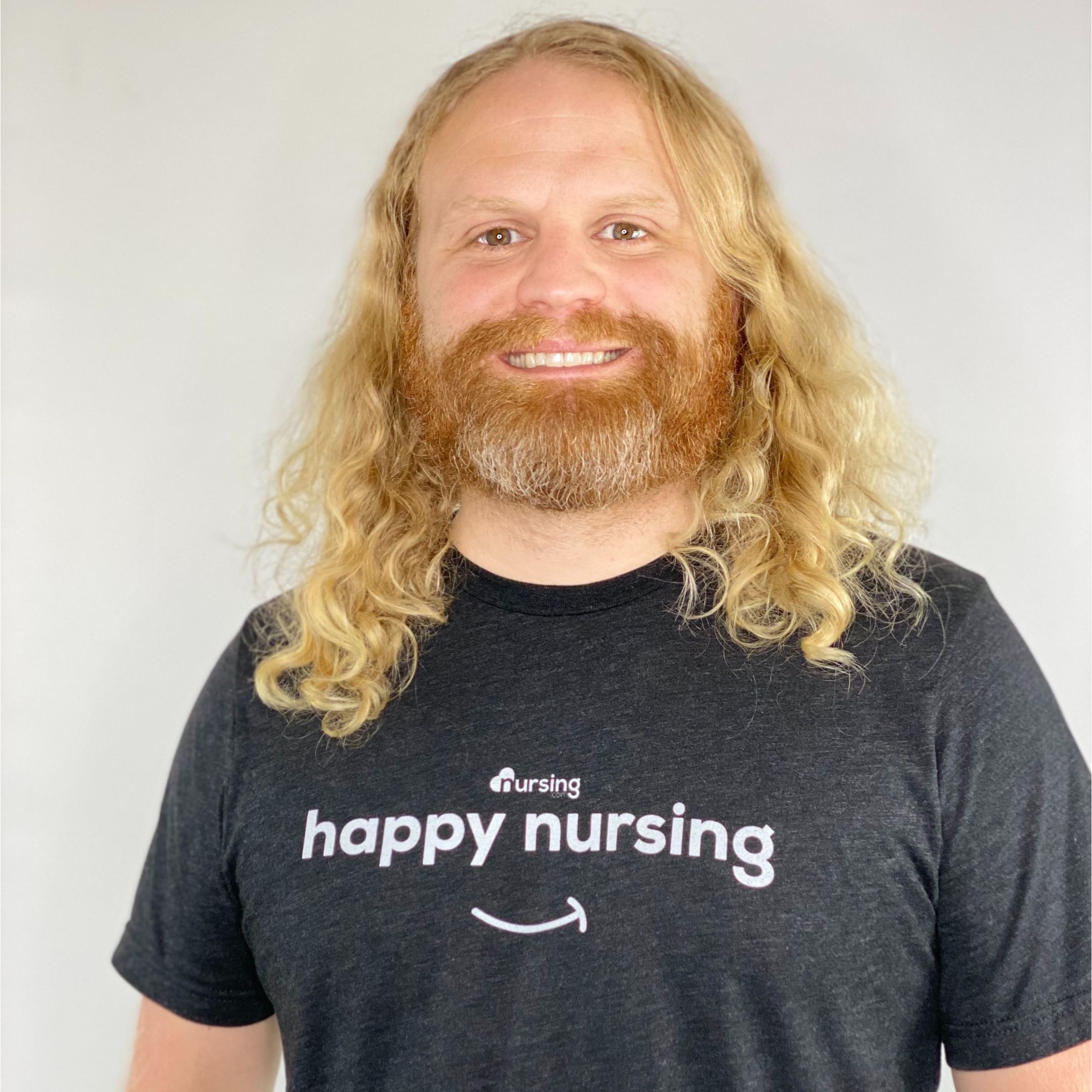
My name is Jon Haws RN. I am the founder of NRSNG.com and the creator of this Test Taking course.

I am so excited that you are taking this course as this is an area I am very passionate about. In my mind, nursing school is a lot like GI Joe always said, “Knowing is Half the Battle”

Knowing HOW to take tests, knowing HOW to study, and knowing WHAT the NCLEX is will pay dividends throughout your time in school, on the NCLEX, and as you begin working as a nurse.

I discovered the strategies I teach in this course during my first semester of nursing school. It became clear to me very quickly that I was facing a new enemy in nursing exams, they are unlike anything I had experienced to that point. I learned very early on that I was going to have to adjust my study methods and test taking strategies if I was going to survive.

Please don’t speed through this course. While it’s not covering the “fun” stuff (MedSurg, Critical Care, etc), applying these strategies will be of tremendous value.

One fallacy of nursing students is to avoid their weak areas and focus only on those areas they already understand. It’s hard to be honest with yourself and admit areas of weakness that you need to focus on to improve.

Don’t fall into this trap. Our goal with the NRSNG Academy overall, and with this course is to help you discover those areas where you need to focus to help you learn the content deeply.

I hope you enjoy this course and I am so excited on everything you are about to learn.

-Jon Haws RN 

I started NRSNG.com in 2014 with the goal of making the nursing journey more enjoyable for nursing students. After working as a nurse for about a year and precepting new nurses and students I realized there were some real gaps in the way students were being taught. At NRSNG, our mission is to provide the confidence and tools need for success in nursing school on the NCLEX and for life as a nurse.

I’ve worked in the Neuro ICU as a nurse, preceptor, charge nurse, and code team nurse.

Unlock the Complete Study System

Used by 300,000+ nursing students. 99.25% NCLEX pass rate.

200% NCLEX Pass Guarantee.
No Contract. Cancel Anytime.

🎉 Special Offer 🎉

Nursing School Doesn't Have To Be So Hard

Go from discouraged and stressed to motivated and passionate

This Is The Way

Concepts Covered:

  • Respiratory System
  • Urinary System
  • Respiratory Disorders
  • Noninfectious Respiratory Disorder
  • Renal Disorders
  • Eating Disorders
  • Shock
  • Integumentary Disorders
  • Labor Complications
  • Disorders of Pancreas
  • Fundamentals of Emergency Nursing
  • Legal and Ethical Issues
  • Central Nervous System Disorders – Brain
  • Respiratory Emergencies
  • Medication Administration
  • EENT Disorders
  • Musculoskeletal Disorders
  • Musculoskeletal Trauma
  • Gastrointestinal Disorders
  • Liver & Gallbladder Disorders
  • Urinary Disorders
  • Postpartum Complications
  • Intraoperative Nursing
  • Postoperative Nursing
  • Pregnancy Risks
  • Circulatory System
  • Neurological Trauma
  • Integumentary Disorders
  • Communication
  • Cardiac Disorders
  • Newborn Complications
  • Note Taking
  • Test Taking Strategies
  • Basics of NCLEX
  • Studying

Study Plan Lessons

ABG Course (Arterial Blood Gas) Introduction
ABGs Nursing Normal Lab Values
ABG (Arterial Blood Gas) Interpretation-The Basics
ROME – ABG (Arterial Blood Gas) Interpretation
ABGs Tic-Tac-Toe interpretation Method
Respiratory Acidosis (interpretation and nursing interventions)
Respiratory Alkalosis
Metabolic Acidosis (interpretation and nursing diagnosis)
Metabolic Alkalosis
ABG (Arterial Blood Gas) Oxygenation
Lactic Acid
Base Excess & Deficit
Fluid & Electrolytes Course Introduction
Fluid Compartments
Fluid Pressures
Fluid Shifts (Ascites) (Pleural Effusion)
Isotonic Solutions (IV solutions)
Hypotonic Solutions (IV solutions)
Hypertonic Solutions (IV solutions)
Potassium-K (Hyperkalemia, Hypokalemia)
Sodium-Na (Hypernatremia, Hyponatremia)
Calcium-Ca (Hypercalcemia, Hypocalcemia)
Chloride-Cl (Hyperchloremia, Hypochloremia)
Magnesium-Mg (Hypomagnesemia, Hypermagnesemia)
Phosphorus-Phos
Nursing Skills (Clinical) Safety Video
Pressure Line Management
Chest Tube Management
Hanging an IV Piggyback
Spiking & Priming IV Bags
IV Push Medications
IM Injections
SubQ Injections
Insulin Mixing
Medications in Ampules
Drawing Up Meds
Topical Medications
EENT Medications
Pill Crushing & Cutting
Wound Care – Wound Drains
Wound Care – Dressing Change
Wound Care – Selecting a Dressing
Wound Care – Assessment
Stoma Care (Colostomy bag)
NG Tube Med Administration (Nasogastric)
NG (Nasogastric)Tube Management
Inserting an NG (Nasogastric) Tube
Trach Care
Trach Suctioning
Inserting a Foley (Urinary Catheter) – Male
Inserting a Foley (Urinary Catheter) – Female
Central Line Dressing Change
Blood Cultures
Drawing Blood
Starting an IV
Restraints
Spinal Precautions & Log Rolling
Mobility & Assistive Devices
Sterile Gloves
PPE Donning & Doffing
Linen Change
Bed Bath
Nursing Skills Course Introduction
The 5-Minute Assessment (Physical assessment)
Adult Vital Signs (VS)
Pediatric Vital Signs (VS)
General Assessment (Physical assessment)
Drawing Pictures
Outline Question Method (Note taking)
NCLEX® Question Traps
Denying Feelings
Repeating Words
Duplicate Facts
What do you want me to know?
Acute vs Chronic
Priority
Nursing Process
Same
Opposites
Absolute Words
SATA
Anatomy of an NCLEX Question
What is the NCLEX?
Bloom’s Taxonomy
Critical Thinking
Goal Setting
Study Setting
Time Management
Test Taking Course Introduction