Diabetic Ketoacidosis (DKA) Case Study (45 min)

You're watching a preview. 300,000+ students are watching the full lesson.
Master
To Master a topic you must score > 80% on the lesson quiz.
Take Quiz

Included In This Lesson

Study Tools For Diabetic Ketoacidosis (DKA) Case Study (45 min)

DKA Pathochart (Cheatsheet)
DKA vs HHNS (Cheatsheet)
Treatment for DKA and HHNS (Image)
DKA Treatment (Mnemonic)
NURSING.com students have a 99.25% NCLEX pass rate.

Outline

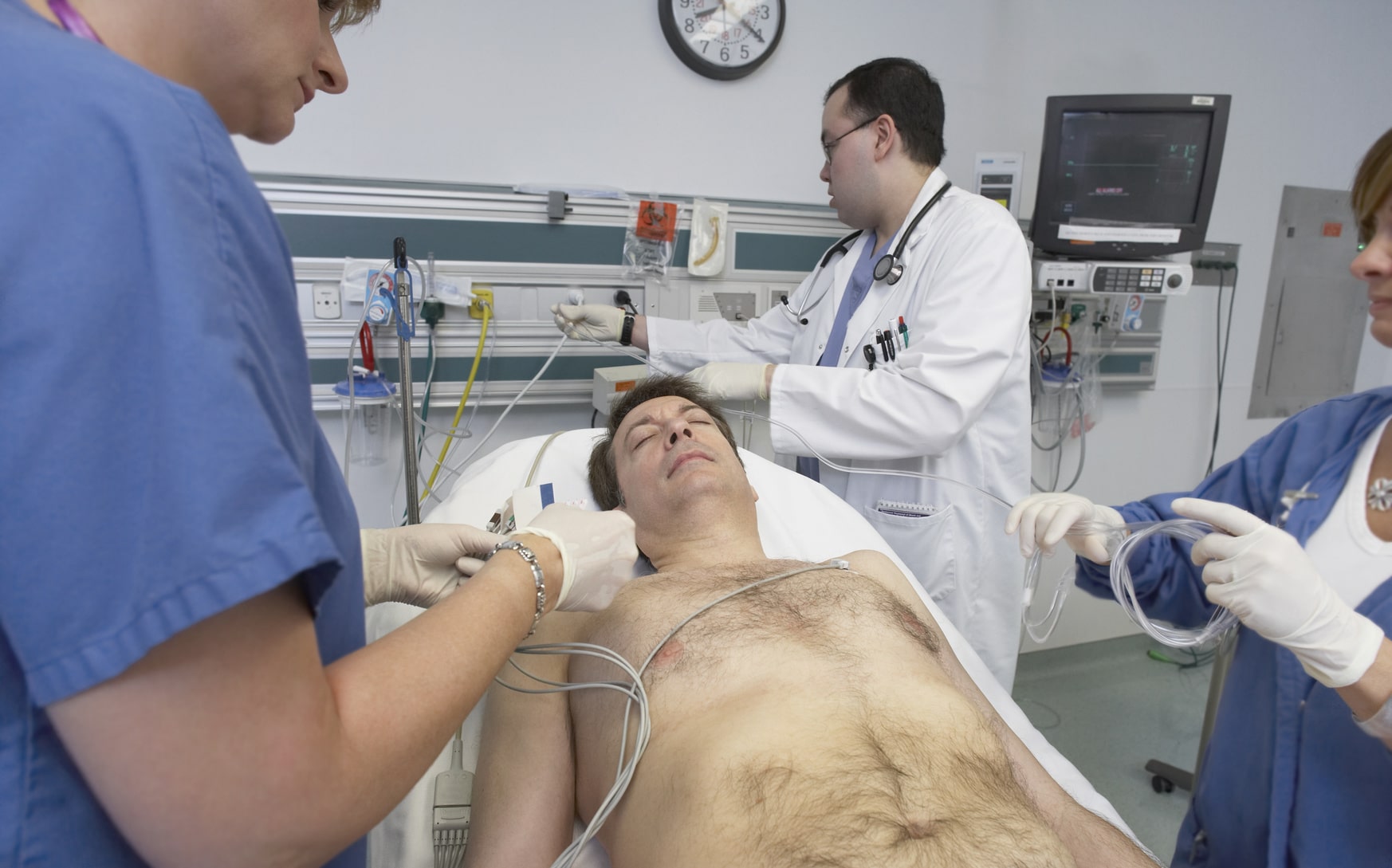
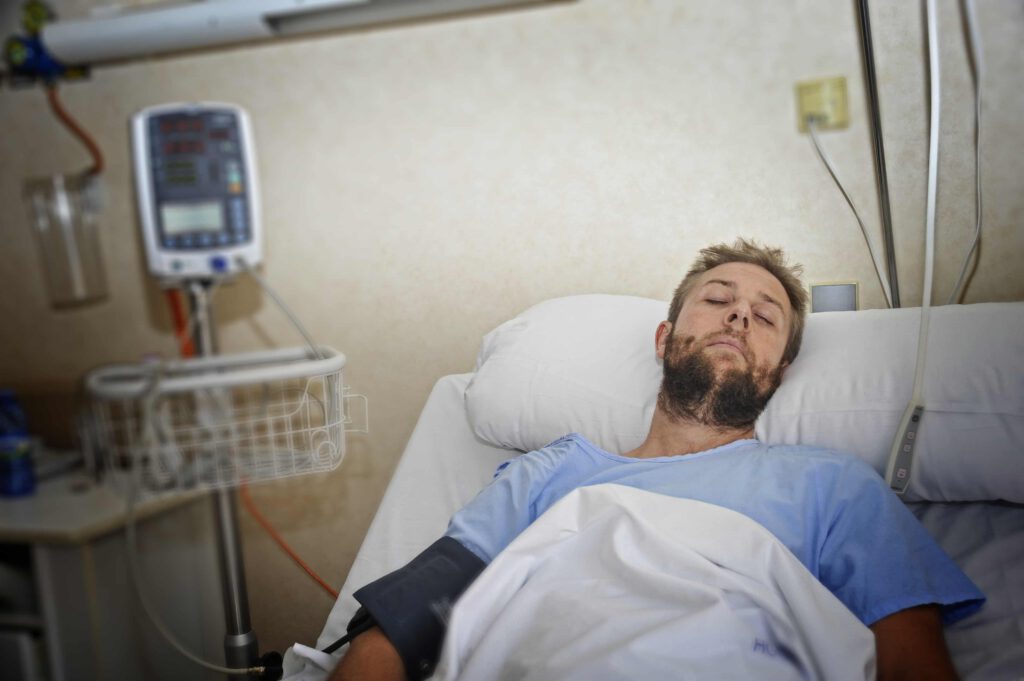
Mr. Logan is a 32-year-old male with a history of DM Type I. He presented to the Emergency Department (ED) after being found by his family with decreased LOC, rapid heavy breathing, and fruity breath. His family reports flu-like symptoms for the last few days.


male diabetes mellitus (DM) patient for use in Case Study


Critical Thinking Check
Bloom's Taxonomy: Analysis

Before even gathering further information - what do you think is going on? Why?

VIEW ANSWER

Critical Thinking Check
Bloom's Taxonomy: Analysis

What diagnostic or lab tests would you expect the provider to order?

VIEW ANSWER


The nurse draws a Complete Metabolic Panel and notifies the Respiratory Therapist to obtain an Arterial Blood Gas. Upon further assessment, the patient is oriented x 2 and drowsy. He is breathing heavily. Lungs are clear to auscultation, S1/S2 present, bowel sounds active, pulses present and palpable x 4 extremities. A POC glucose reads >450 (meter max).

Vital signs are as follows:

HR 87
RR 32
BP 123/77
SpO2 96%

Mr. Logan’s labs result and show the following:

Glucose
804 mg/dL
K 6.1 mEq/L
BUN 39 mg/dL
pH 7.12
Cr 1.9  mg/dL
pCO2 30
Anion Gap 29 mEq/L
HCO3 17
Urine = Positive for Ketones

Critical Thinking Check
Bloom's Taxonomy: Analysis

Using these lab results, explain what is going on physiologically with Mr. Logan.

VIEW ANSWER

Critical Thinking Check
Bloom's Taxonomy: Analysis

What is the #1 priority for Mr. Logan at this time?

VIEW ANSWER

The provider writes an order for an Insulin Lispro infusion IV, titrating to decrease blood glucose per protocol, 1L NS bolus NOW, and a continuous infusion of Normal Saline IV at 250 mL/hr, and to change the fluids to D5 ½ NS at 125 mL/hr once the blood glucose level falls below 250 mg/dL.


Critical Thinking Check
Bloom's Taxonomy: Analysis

What is the first action you should take after receiving these orders?

VIEW ANSWER

The provider adjusts the order to Regular Insulin IV infusion.  Orders are also written for hourly POC glucose checks and a q2h BMP.


Critical Thinking Check
Bloom's Taxonomy: Analysis

Why is it important to check a BMP frequently? What are we monitoring for?

VIEW ANSWER

After 4 hours and another 1L bolus of NS, Mr. Logan’s blood glucose level has dropped to 174 mg/dL, but his anion gap is still 19. The nurse changes his fluids to D5 ½ NS per the order and continues the insulin infusion. The most recent BMP showed a K of 3.7, down from 6.1, so the provider orders to give 40 mEq of KCl PO.

Critical Thinking Check
Bloom's Taxonomy: Analysis

Why is the insulin continued even after the blood glucose decreases?

VIEW ANSWER

After another 4 hours, Mr. Logan’s anion gap is now 12, a repeat ABG shows a pH of 7.36 with normal CO2 and HCO3 levels.  The nurse begins to transition Mr. Logan off of the IV infusion to SubQ insulin per protocol.  He is feeling much better and says he’s embarrassed that he had to be brought to the hospital.  


Critical Thinking Check
Bloom's Taxonomy: Application

What education can you provide Mr. Logan to help him understand why this happened and how to prevent it from recurring in the future?

VIEW ANSWER

Unlock the Complete Study System

Used by 300,000+ nursing students. 99.25% NCLEX pass rate.

200% NCLEX Pass Guarantee.
No Contract. Cancel Anytime.

🎉 Special Offer 🎉

Nursing School Doesn't Have To Be So Hard

Go from discouraged and stressed to motivated and passionate

Respiratory system

Concepts Covered:

  • Multisystem
  • Respiratory
  • Respiratory Disorders
  • Respiratory Emergencies
  • Newborn Complications
  • Microbiology
  • Medication Administration
  • Nervous System
  • Central Nervous System Disorders – Brain
  • Disorders of Thermoregulation
  • Cardiovascular Disorders
  • Disorders of the Posterior Pituitary Gland
  • Disorders of Pancreas
  • Hematologic Disorders
  • Fetal Development
  • Musculoskeletal Trauma
  • Intraoperative Nursing
  • Substance Abuse Disorders
  • Liver & Gallbladder Disorders
  • Emergency Care of the Neurological Patient
  • Neurological
  • Infectious Respiratory Disorder
  • Oncology Disorders
  • Tissues and Glands
  • Peripheral Nervous System Disorders
  • Studying
  • Muscular System
  • Cardiac Disorders
  • Renal and Urinary Disorders
  • Renal Disorders
  • Central Nervous System Disorders – Spinal Cord
  • Immunological Disorders
  • Integumentary Disorders
  • Shock
  • Acute & Chronic Renal Disorders
  • Labor Complications
  • Noninfectious Respiratory Disorder
  • Lower GI Disorders
  • Respiratory System
  • Integumentary Disorders
  • EENT Disorders
  • Disorders of the Adrenal Gland
  • Endocrine and Metabolic Disorders
  • Pregnancy Risks
  • Upper GI Disorders
  • Neurologic and Cognitive Disorders
  • Disorders of the Thyroid & Parathyroid Glands
  • Gastrointestinal Disorders
  • Infectious Disease Disorders
  • Musculoskeletal Disorders
  • Newborn Care
  • Hematologic Disorders
  • Neurological Trauma
  • Vascular Disorders
  • Trauma-Stress Disorders
  • Postoperative Nursing
  • Prioritization
  • Test Taking Strategies
  • Terminology
  • Communication
  • Learning Pharmacology
  • Endocrine System

Study Plan Lessons

06.03 Multi-System CCRN Important Points for CCRN Review
10.03 Acute Respiratory Failure for CCRN Review
ABG (Arterial Blood Gas) Interpretation-The Basics
ABGs Nursing Normal Lab Values
Acute Respiratory Distress Syndrome (ARDS) for Progressive Care Certified Nurse (PCCN)
Addicted Newborn
Antimicrobial Vaccinations
Asthma
Atropine (Atropen) Nursing Considerations
AVPU Mnemonic (The AVPU Scale)
Body System Assessments
Bronchodilators
Chest Tube Management
Chest Tube Management Case Study (60 min)
Cold Temperature-related Emergencies for Certified Emergency Nursing (CEN)
Congenital Heart Defects (CHD)
Cranial Nerves
Day in the Life of a Med-surg Nurse
Diabetes Insipidus Case Study (60 min)
Diabetic Ketoacidosis (DKA) Case Study (45 min)
Disseminated Intravascular Coagulation Case Study (60 min)
Fetal Environment
Fractures (Open, Closed, Fat Embolus) for Certified Emergency Nursing (CEN)
General Anesthesia
Head to Toe Nursing Assessment (Physical Exam)
Hemorrhagic Fevers for Certified Emergency Nursing (CEN)
Histamine 1 Receptor Blockers
Hypothermia (Thermoregulation)
Increased Intracranial Pressure (ICP) for Certified Emergency Nursing (CEN)
Infectious Diseases: Influenza for Progressive Care Certified Nurse (PCCN)
Local Anesthesia
Lung Cancer
Melanoma
Membranes
Miscellaneous Nerve Disorders
Mnemonic for Organ Systems (MR DICE RUNS)
Muscle Anatomy (anatomy and physiology)
Myocardial Infarction (MI) Case Study (45 min)
Nephrotic Syndrome Case Study (Peds) (45 min)
Neurological Disorders (Multiple Sclerosis, Myasthenia Gravis, Guillain-Barré Syndrome) for Certified Emergency Nursing (CEN)
Nursing Care and Pathophysiology for Acquired Immune Deficiency Syndrome (AIDS)
Nursing Care and Pathophysiology for Influenza (Flu)
Nursing Care and Pathophysiology for Psoriasis
Nursing Care and Pathophysiology for Scleroderma
Nursing Care and Pathophysiology for Sepsis
Nursing Care and Pathophysiology for SIRS & MODS
Nursing Care and Pathophysiology of Acute Respiratory Distress Syndrome (ARDS)
Nursing Care and Pathophysiology of Chronic Kidney (Renal) Disease (CKD)
Nursing Care and Pathophysiology of Glomerulonephritis
Nursing Care Plan (NCP) & Interventions for Increased Intracranial Pressure (ICP)
Nursing Care Plan (NCP) for Abruptio Placentae / Placental abruption
Nursing Care Plan (NCP) for Activity Intolerance
Nursing Care Plan (NCP) for Acute Kidney Injury
Nursing Care Plan (NCP) for Acute Respiratory Distress Syndrome
Nursing Care Plan (NCP) for Alcohol Withdrawal Syndrome / Delirium Tremens
Nursing Care Plan (NCP) for Anaphylaxis
Nursing Care Plan (NCP) for Anemia
Nursing Care Plan (NCP) for Angina
Nursing Care Plan (NCP) for Aspiration
Nursing Care Plan (NCP) for Asthma
Nursing Care Plan (NCP) for Blunt Chest Trauma
Nursing Care Plan (NCP) for Bowel Obstruction
Nursing Care Plan (NCP) for Brain Tumors
Nursing Care Plan (NCP) for Bronchiolitis / Respiratory Syncytial Virus (RSV)
Nursing Care Plan (NCP) for Bronchoscopy (Procedure)
Nursing Care Plan (NCP) for Burn Injury (First, Second, Third degree)
Nursing Care Plan (NCP) for Cardiogenic Shock
Nursing Care Plan (NCP) for Chronic Kidney Disease
Nursing Care Plan (NCP) for Cleft Lip / Cleft Palate
Nursing Care Plan (NCP) for Congenital Heart Defects
Nursing Care Plan (NCP) for Congestive Heart Failure (CHF)
Nursing Care Plan (NCP) for Cushing’s Disease
Nursing Care Plan (NCP) for Cystic Fibrosis
Nursing Care Plan (NCP) for Decreased Cardiac Output
Nursing Care Plan (NCP) for Dehydration & Fever
Nursing Care Plan (NCP) for Disseminated Intravascular Coagulation (DIC)
Nursing Care Plan (NCP) for Ectopic Pregnancy
Nursing Care Plan (NCP) for Encephalopathy
Nursing Care Plan (NCP) for Endocarditis
Nursing Care Plan (NCP) for Epiglottitis
Nursing Care Plan (NCP) for GI (Gastrointestinal) Bleed
Nursing Care Plan (NCP) for Guillain-Barre
Nursing Care Plan (NCP) for Heart Valve Disorders
Nursing Care Plan (NCP) for Hydrocephalus
Nursing Care Plan (NCP) for Hyperosmolar Hyperglycemic Nonketotic Syndrome (HHNS)
Nursing Care Plan (NCP) for Hyperthyroidism
Nursing Care Plan (NCP) for Hypovolemic Shock
Nursing Care Plan (NCP) for Impaired Gas Exchange
Nursing Care Plan (NCP) for Imperforate Anus
Nursing Care Plan (NCP) for Infection
Nursing Care Plan (NCP) for Infective Conjunctivitis / Pink Eye
Nursing Care Plan (NCP) for Influenza
Nursing Care Plan (NCP) for Lung Cancer
Nursing Care Plan (NCP) for Lymphoma (Hodgkin’s, Non-Hodgkin’s)
Nursing Care Plan (NCP) for Marfan Syndrome
Nursing Care Plan (NCP) for Meconium Aspiration
Nursing Care Plan (NCP) for Meningitis
Nursing Care Plan (NCP) for Myasthenia Gravis (MG)
Nursing Care Plan (NCP) for Myocardial Infarction (MI)
Nursing Care Plan (NCP) for Nephrotic Syndrome
Nursing Care Plan (NCP) for Newborns
Nursing Care Plan (NCP) for Omphalocele
Nursing Care Plan (NCP) for Otitis Media / Acute Otitis Media (AOM)
Nursing Care Plan (NCP) for Pancreatitis
Nursing Care Plan (NCP) for Pericarditis
Nursing Care Plan (NCP) for Pertussis / Whooping Cough
Nursing Care Plan (NCP) for Pneumothorax/Hemothorax
Nursing Care Plan (NCP) for Premature Rupture of Membranes (PROM) / Preterm Premature Rupture of Membranes (PPROM)
Nursing Care Plan (NCP) for Preterm Labor / Premature Labor
Nursing Care Plan (NCP) for Pulmonary Embolism
Nursing Care Plan (NCP) for Respiratory Failure
Nursing Care Plan (NCP) for Restrictive Lung Diseases
Nursing Care Plan (NCP) for Reye’s Syndrome
Nursing Care Plan (NCP) for Scoliosis
Nursing Care Plan (NCP) for Sepsis
Nursing Care Plan (NCP) for Sickle Cell Anemia
Nursing Care Plan (NCP) for Skull Fractures
Nursing Care Plan (NCP) for Spinal Cord Injury
Nursing Care Plan (NCP) for Syncope (Fainting)
Nursing Care Plan (NCP) for Syndrome of Inappropriate Antidiuretic Hormone (SIADH)
Nursing Care Plan (NCP) for Thrombophlebitis / Deep Vein Thrombosis (DVT)
Nursing Care Plan (NCP) for Tonsillitis
Nursing Care Plan (NCP) for Varicella / Chickenpox
Nursing Care Plan (NCP) for Vomiting / Diarrhea
Nursing Care Plan for (NCP) Fetal Alcohol Syndrome (FAS)
Nursing Care Plan for Cirrhosis (Liver)
Nursing Care Plan for Distributive Shock
Nursing Care Plan for Scleroderma
Nursing Case Study for (PTSD) Post Traumatic Stress Disorder
Nursing Case Study for Cardiogenic Shock
Nursing Case Study for Pediatric Asthma
Nursing Case Study for Pneumonia
Obstruction for Certified Emergency Nursing (CEN)
Pancreatitis For PCCN for Progressive Care Certified Nurse (PCCN)
Post-Anesthesia Recovery
Prioritizing Assessments
Respiratory Course Introduction
Respiratory Structure & Function
Respiratory Terminology
Respiratory Trauma Module Intro
SBAR Practice Scenarios
Spinal Cord Injury Case Study (60 min)
Systemic Lupus Erythematosus (SLE)
The SOCK Method – O
Thyroid Gland
Tuberculosis for Certified Emergency Nursing (CEN)
Vaccine-Preventable Diseases (Measles, Mumps, Pertussis, Chicken Pox, Diphtheria) for Certified Emergency Nursing (CEN)
Wound Dressing Maintenance for Certified Perioperative Nurse (CNOR)