Insulin – Long Acting (Lantus) Nursing Considerations

You're watching a preview. 300,000+ students are watching the full lesson.
Kara Tarr
BSN,RN
Master
To Master a topic you must score > 80% on the lesson quiz.

Included In This Lesson

Study Tools For Insulin – Long Acting (Lantus) Nursing Considerations

Drug Card Insulin-detemir, glargine (Long Acting) (Cheatsheet)
Blank Drug Card Template (Cheatsheet)
NURSING.com students have a 99.25% NCLEX pass rate.

Outline

Generic Name

Insulin detemir, Insulin glargine

Trade Name

Levemir, Lantus

Image of insulin and syringe. Long acting Lantus and rapid-acting insulin novolog. Used for Lantus nursing considerations.


Indication

hyperglycemia with diabetes type 1 and 2, diabetic ketoacidosis

Action

stimulates uptake of glucose into muscle and fat cells, inhibits production of glucose in the liver,
prevents breakdown of fat and protein

Route Onset Peak Duration
Detemir 3-4 hr 3-14 hr 24 hr
Glargine 3-4 hr none 24 hr


Therapeutic Class

antidiabetics, hormones

Pharmacologic Class

pancreatics

Nursing Considerations

• assess for symptoms of hypoglycemia or hyperglycemia
• monitor body weight over time
• may cause decreased inorganic phosphates, potassium, and magnesium
• monitor blood sugars every 6 hours, monitor A1C every 3-6 months


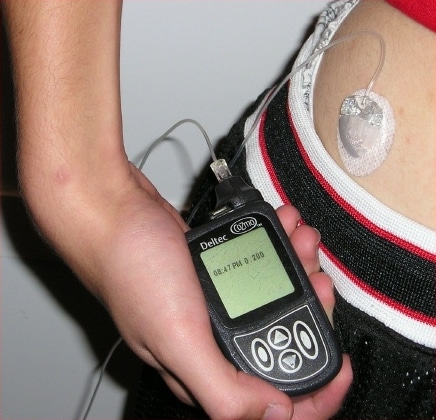
Insulin pump typically used by diabetes mellitus patients for administering insulin.

Unlock the Complete Study System

Used by 300,000+ nursing students. 99.25% NCLEX pass rate.

200% NCLEX Pass Guarantee.
No Contract. Cancel Anytime.

Transcript

Hey guys, let’s take a look at long-acting insulin with generic names, insulin detemir, insulin Glargine also known as Lantus or Levemir. This is an injectable medication as you can see here with the Levemir. The therapeutic class of long-acting insulin is an antidiabetic and hormone. While the pharmacologic class are pancreatics. Remember the therapeutic class is how the drug works in the body. While the pharmacologic class is the effect of the drug. So long-acting insulins work by stimulating the uptake of glucose into muscle and fat cells. Also, it inhibits the production of glucose in the liver and prevents the breakdown of fat and protein, which is why long-acting insulins are indicated for the treatment of hyperglycemia related to type one and type two diabetes, and for the treatment of diabetic ketoacidosis. Sometimes with insulin, we see side effects related to hypoglycemia, things like headache, nausea, sweating, confusion, and also because insulin is injected. Sometimes we can see injection site pain and redness. 

Let’s take a look at a few nursing considerations for long-acting insulin. Remember to assess for symptoms of hypoglycemia and hyperglycemia. Monitor the patient’s body weight as insulin given over time can increase this. Long-acting insulin may cause decreased inorganic phosphates, potassium, and magnesium levels. Be sure to teach the patient that blood sugar must be monitored. And hemoglobin A1C must be checked every three to six months. So guys with insulin detemir, the peak is between three to 14 hours with the duration of 24 hours, and insulin glargine is said to actually not have a peak. And its duration is all 24 hours. Insulin detemir is the only insulin that has been shown to decrease the weight of a patient; however, the decreases are pretty small. That’s it for long-acting insulin or Lantus. Now go out and be your best self today. And as always happy nursing.

Study Faster with Full Video Transcripts

99.25% NCLEX Pass Rate vs 88.8% National Average

200% NCLEX Pass Guarantee.
No Contract. Cancel Anytime.

🎉 Special Offer 🎉

Nursing School Doesn't Have To Be So Hard

Go from discouraged and stressed to motivated and passionate

Pharmacology

Concepts Covered:

  • Depressive Disorders
  • Medication Administration
  • Learning Pharmacology
  • Circulatory System
  • Upper GI Disorders
  • Concepts of Pharmacology
  • Studying
  • Test Taking Strategies
  • Tissues and Glands
  • Neurological
  • Pregnancy Risks
  • Emergency Care of the Cardiac Patient
  • Microbiology
  • Cardiac Disorders
  • Nervous System
  • Intraoperative Nursing
  • Central Nervous System Disorders – Brain
  • Immunological Disorders
  • Fundamentals of Emergency Nursing
  • Understanding Society
  • Gastrointestinal Disorders
  • Hematologic Disorders
  • Adulthood Growth and Development
  • Disorders of Pancreas
  • Respiratory Disorders
  • Postpartum Complications
  • Postoperative Nursing
  • Noninfectious Respiratory Disorder
  • Bipolar Disorders
  • Newborn Care
  • Psychotic Disorders
  • Anxiety Disorders
  • Vascular Disorders
  • Peripheral Nervous System Disorders
  • Prenatal Concepts
  • Substance Abuse Disorders

Study Plan Lessons

MAOIs
The SOCK Method – C
The SOCK Method – K
The SOCK Method – O
The SOCK Method – Overview
The SOCK Method – S
The SOCK Method of Pharmacology 1 – Live Tutoring Archive
The SOCK Method of Pharmacology 2 – Live Tutoring Archive
The SOCK Method of Pharmacology 3 – Live Tutoring Archive
Selecting THE vein
Ranitidine (Zantac) Nursing Considerations
Pharmacology Course Introduction
Pharmacokinetics Nursing Mnemonic (ADME)
12 Points to Answering Pharmacology Questions
Tattoos IV Insertion
OB Pharm and What Drugs You HAVE to Know – Live Tutoring Archive
NRSNG Live | The S.O.C.K Method for Mastering Nursing Pharmacology and Never Forgetting a Medication Again
Mannitol (Osmitrol) Nursing Considerations
Magnesium Sulfate
Magnesium Sulfate in Pregnancy
Adenosine (Adenocard) Nursing Considerations
Amiodarone (Pacerone) Nursing Considerations
Anti-Infective – Antifungals
Anti-Platelet Aggregate
Atropine (Atropen) Nursing Considerations
Barbiturates
Carbidopa-Levodopa (Sinemet) Nursing Considerations
Cefdinir (Omnicef) Nursing Considerations
Celecoxib (Celebrex) Nursing Considerations
Combative: IV Insertion
Dark Skin: IV Insertion
Diphenoxylate-Atropine (Lomotil) Nursing Considerations
Drawing Blood from the IV
Epoetin Alfa
Geriatric: IV Insertion
Giving Medication Through An IV Set Port
Glipizide (Glucotrol) Nursing Considerations
Guaifenesin (Mucinex) Nursing Considerations
IV Insertion Angle
IV Placement Start To Finish (How to Start an IV)
Ketorolac (Toradol) Nursing Considerations
Medication Errors
Medication Reconciliation Review for Certified Perioperative Nurse (CNOR)
Meds for Postpartum Hemorrhage (PPH)
Meperidine (Demerol) Nursing Considerations
Methylergonovine (Methergine) Nursing Considerations
Metoclopramide (Reglan) Nursing Considerations
Montelukast (Singulair) Nursing Considerations
Mood Stabilizers
Nalbuphine (Nubain) Nursing Considerations
NG Tube Med Administration (Nasogastric)
NG Tube Medication Administration
Parasympathomimetics (Cholinergics) Nursing Considerations
Pentobarbital (Nembutal) Nursing Considerations
Phytonadione (Vitamin K) for Newborn
Positioning
Propofol (Diprivan) Nursing Considerations
Quetiapine (Seroquel) Nursing Considerations
Sedatives-Hypnotics
Streptokinase (Streptase) Nursing Considerations
Tips & Advice for Newborns (Neonatal IV Insertion)
Tips & Advice for Pediatric IV
Understanding All The IV Set Ports
Verapamil (Calan) Nursing Considerations
Injectable Medications
Insulin
Insulin – Long Acting (Lantus) Nursing Considerations

Insulin – Mixtures (70/30)
Insulin Drips
Insulin Mixing
Fentanyl (Duragesic) Nursing Considerations
Cyclosporine (Sandimmune) Nursing Considerations
Codeine (Paveral) Nursing Considerations
Buspirone (Buspar) Nursing Considerations
Bisacodyl (Dulcolax) Nursing Considerations
Benztropine (Cogentin) Nursing Considerations
Bariatric: IV Insertion
Atenolol (Tenormin) Nursing Considerations
Antidepressants
Antianxiety Meds
Anesthetic Agents
Neostigmine (Prostigmin) Nursing Considerations
Opioid Analgesics in Pregnancy
Olanzapine (Zyprexa) Nursing Considerations
Oxycodone (OxyContin) Nursing Considerations
Pain Management for the Older Adult – Live Tutoring Archive
Pharmacodynamics
Pharmacokinetics
Phenobarbital (Luminal) Nursing Considerations
Procainamide (Pronestyl) Nursing Considerations
Rh Immune Globulin in Pregnancy
Sedatives-Hypnotics
Interactive Pharmacology Practice
Hydromorphone (Dilaudid) Nursing Considerations
Hydrocodone-Acetaminophen (Vicodin, Lortab) Nursing Considerations
Hydralazine
Eye Prophylaxis for Newborn