Insulin – Long Acting (Lantus) Nursing Considerations

You're watching a preview. 300,000+ students are watching the full lesson.
Kara Tarr
BSN,RN
Master
To Master a topic you must score > 80% on the lesson quiz.

Included In This Lesson

Study Tools For Insulin – Long Acting (Lantus) Nursing Considerations

Drug Card Insulin-detemir, glargine (Long Acting) (Cheatsheet)
Blank Drug Card Template (Cheatsheet)
NURSING.com students have a 99.25% NCLEX pass rate.

Outline

Generic Name

Insulin detemir, Insulin glargine

Trade Name

Levemir, Lantus

Image of insulin and syringe. Long acting Lantus and rapid-acting insulin novolog. Used for Lantus nursing considerations.


Indication

hyperglycemia with diabetes type 1 and 2, diabetic ketoacidosis

Action

stimulates uptake of glucose into muscle and fat cells, inhibits production of glucose in the liver,
prevents breakdown of fat and protein

Route Onset Peak Duration
Detemir 3-4 hr 3-14 hr 24 hr
Glargine 3-4 hr none 24 hr


Therapeutic Class

antidiabetics, hormones

Pharmacologic Class

pancreatics

Nursing Considerations

• assess for symptoms of hypoglycemia or hyperglycemia
• monitor body weight over time
• may cause decreased inorganic phosphates, potassium, and magnesium
• monitor blood sugars every 6 hours, monitor A1C every 3-6 months


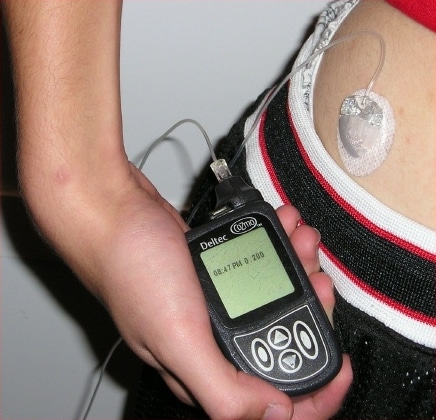
Insulin pump typically used by diabetes mellitus patients for administering insulin.

Unlock the Complete Study System

Used by 300,000+ nursing students. 99.25% NCLEX pass rate.

200% NCLEX Pass Guarantee.
No Contract. Cancel Anytime.

Transcript

Hey guys, let’s take a look at long-acting insulin with generic names, insulin detemir, insulin Glargine also known as Lantus or Levemir. This is an injectable medication as you can see here with the Levemir. The therapeutic class of long-acting insulin is an antidiabetic and hormone. While the pharmacologic class are pancreatics. Remember the therapeutic class is how the drug works in the body. While the pharmacologic class is the effect of the drug. So long-acting insulins work by stimulating the uptake of glucose into muscle and fat cells. Also, it inhibits the production of glucose in the liver and prevents the breakdown of fat and protein, which is why long-acting insulins are indicated for the treatment of hyperglycemia related to type one and type two diabetes, and for the treatment of diabetic ketoacidosis. Sometimes with insulin, we see side effects related to hypoglycemia, things like headache, nausea, sweating, confusion, and also because insulin is injected. Sometimes we can see injection site pain and redness. 

Let’s take a look at a few nursing considerations for long-acting insulin. Remember to assess for symptoms of hypoglycemia and hyperglycemia. Monitor the patient’s body weight as insulin given over time can increase this. Long-acting insulin may cause decreased inorganic phosphates, potassium, and magnesium levels. Be sure to teach the patient that blood sugar must be monitored. And hemoglobin A1C must be checked every three to six months. So guys with insulin detemir, the peak is between three to 14 hours with the duration of 24 hours, and insulin glargine is said to actually not have a peak. And its duration is all 24 hours. Insulin detemir is the only insulin that has been shown to decrease the weight of a patient; however, the decreases are pretty small. That’s it for long-acting insulin or Lantus. Now go out and be your best self today. And as always happy nursing.

Study Faster with Full Video Transcripts

99.25% NCLEX Pass Rate vs 88.8% National Average

200% NCLEX Pass Guarantee.
No Contract. Cancel Anytime.

🎉 Special Offer 🎉

Nursing School Doesn't Have To Be So Hard

Go from discouraged and stressed to motivated and passionate

Nursing 205 Final Exam

Concepts Covered:

  • Upper GI Disorders
  • Disorders of the Thyroid & Parathyroid Glands
  • Disorders of the Adrenal Gland
  • Central Nervous System Disorders – Brain
  • Disorders of the Posterior Pituitary Gland
  • Disorders of Pancreas
  • Medication Administration
  • Neurological Emergencies
  • Liver & Gallbladder Disorders
  • EENT Disorders
  • Lower GI Disorders
  • Shock
  • Oncology Disorders
  • Immunological Disorders
  • Neurological Trauma
  • Female Reproductive Disorders
  • Peripheral Nervous System Disorders
  • Central Nervous System Disorders – Spinal Cord
  • Emergency Care of the Neurological Patient
  • Musculoskeletal Trauma
  • Musculoskeletal Disorders

Study Plan Lessons

GERD (Gastroesophageal Reflux Disease)
Gastrointestinal (GI) Bleed Concept Map
Nursing Care and Pathophysiology for Hypothyroidism
Nursing Care Plan (NCP) for Addison’s Disease (Primary Adrenal Insufficiency)
Nursing Care Plan (NCP) for Hyperparathyroidism
Nursing Care Plan (NCP) for Hyperthyroidism
Nursing Care Plan (NCP) for Hypoparathyroidism
Nursing Care Plan (NCP) for Hypothyroidism
Brain Tumors
Diabetes Insipidus Nursing Mnemonic (DDD)
Diabetes Management
Diabetes Mellitus (DM) Module Intro
Enteral & Parenteral Nutrition (Diet, TPN)
Insulin – Intermediate Acting (NPH) Nursing Considerations
Insulin – Long Acting (Lantus) Nursing Considerations

Insulin – Rapid Acting (Novolog, Humalog) Nursing Considerations
Insulin – Short Acting (Regular) Nursing Considerations
Metabolic/Endocrine Course Introduction
Nursing Care and Pathophysiology for Diabetes Insipidus (DI)
Nursing Care and Pathophysiology for Ischemic Stroke (CVA)
Nursing Care and Pathophysiology of Diabetes Mellitus (DM)
Nursing Care and Pathophysiology of Diabetic Ketoacidosis (DKA)
Nursing Care Plan (NCP) & Interventions for Increased Intracranial Pressure (ICP)
Nursing Care Plan (NCP) for Brain Tumors
Nursing Care Plan (NCP) for Cholecystitis
Nursing Care Plan (NCP) for Cushing’s Disease
Nursing Care Plan (NCP) for Diabetes
Nursing Care Plan (NCP) for Diabetes Insipidus
Nursing Care Plan (NCP) for Diabetic Ketoacidosis (DKA)
Nursing Care Plan (NCP) for Glaucoma
Nursing Care Plan (NCP) for Hypoglycemia
Nursing Case Study for Type 1 Diabetes
Stroke Concept Map
Nursing Care Plan (NCP) for Addison’s Disease (Primary Adrenal Insufficiency)
Nursing Care Plan (NCP) for Bowel Obstruction
Nursing Care Plan (NCP) for Cholecystitis
Nursing Care Plan (NCP) for GI (Gastrointestinal) Bleed
Nursing Care Plan (NCP) for Hypovolemic Shock
Nursing Care Plan (NCP) for Inflammatory Bowel Disease (Ulcerative Colitis / Crohn’s Disease)
Nursing Care Plan (NCP) for Pancreatitis
Nursing Care Plan (NCP) for Peptic Ulcer Disease (PUD)
Nursing Care Plan (NCP) for Sepsis
Nursing Care Plan for Liver Cancer
Nursing Care Plan for Scleroderma
Nursing Care Plan (NCP) for Spinal Cord Injury
Nursing Care Plan (NCP) for Systemic Lupus Erythematosus (SLE)
Nursing Care Plan (NCP) for Osteoporosis
Nursing Care Plan for Scleroderma
Nursing Care and Pathophysiology for Diabetes Insipidus (DI)
Nursing Care and Pathophysiology for Hyperthyroidism
Nursing Care and Pathophysiology for Hypothyroidism
Nursing Care and Pathophysiology for Parkinsons
Nursing Care and Pathophysiology for SIADH (Syndrome of Inappropriate antidiuretic Hormone Secretion)
Nursing Care and Pathophysiology of Diabetic Ketoacidosis (DKA)
Nursing Care Plan (NCP) for Brain Tumors
Nursing Care Plan (NCP) for Cushing’s Disease
Nursing Care Plan (NCP) for Dementia
Nursing Care Plan (NCP) for Diabetes Insipidus
Nursing Care Plan (NCP) for Diabetic Ketoacidosis (DKA)
Nursing Care Plan (NCP) for Guillain-Barre
Nursing Care Plan (NCP) for Hyperparathyroidism
Nursing Care Plan (NCP) for Hypoglycemia
Nursing Care Plan (NCP) for Hypothyroidism
Nursing Care Plan (NCP) for Multiple Sclerosis (MS)
Nursing Care Plan (NCP) for Myasthenia Gravis (MG)
Nursing Care Plan (NCP) for Seizures
Nursing Care Plan (NCP) for Skull Fractures
Nursing Care Plan (NCP) for Spinal Cord Injury
Nursing Care Plan (NCP) for Stroke (CVA)
Nursing Care Plan (NCP) for Syndrome of Inappropriate Antidiuretic Hormone (SIADH)
Nursing Care Plan (NCP) for Systemic Lupus Erythematosus (SLE)
Nursing Case Study for Hepatitis
Musculoskeletal Module Intro