99.25% NCLEX Pass Rate vs 88.8% National Average
200% NCLEX Pass Guarantee. No Contract. Cancel Anytime.
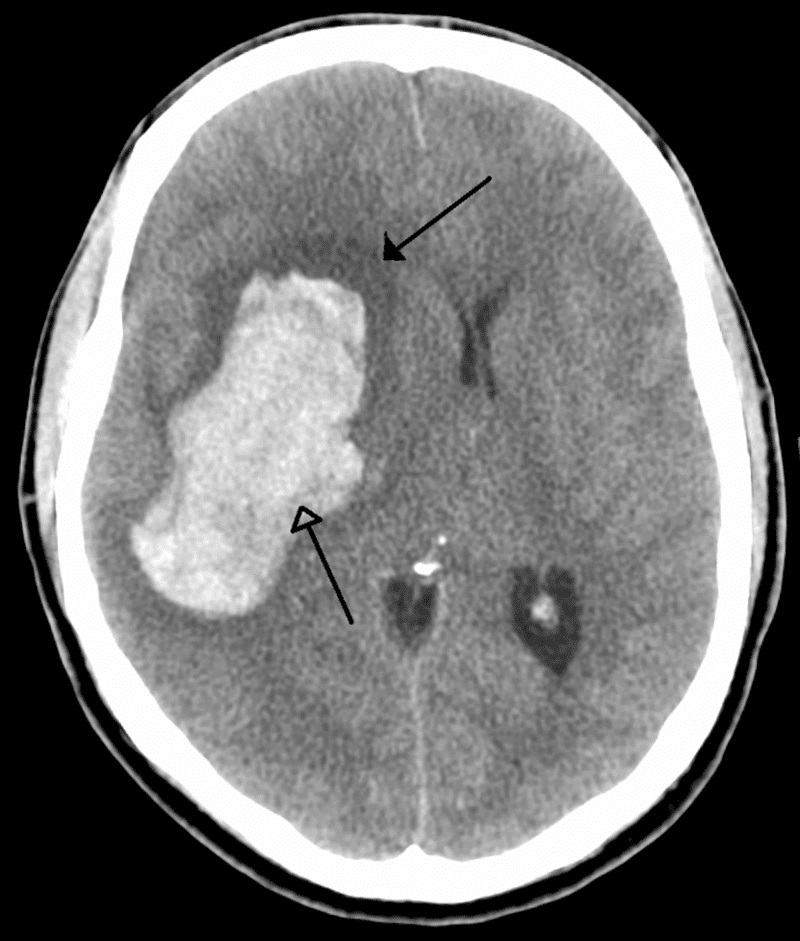
intraparenchymal hemorrhage
Which nursing diagnostic category reflects the clinical problems associated with this patient’s seizures?
The nurse typically begins to assess level of consciousness by using:
Which information regarding phenytoin should the nurse include in discharge teaching?
After a patient’s seizure is controlled, the nurse would expect to administer all of the following except:
What phase of a tonic-clonic, often referred to as gran mal, seizure is a patient having if she is having violent and severe muscle body contractions accompanied by a loss of continence?
A 21-year-old woman is admitted to the ED in a coma. She is accompanied by her husband, who states that she had a seizure. The patient is 1 week postpartum. Her vital signs are blood pressure 180/128 mmHg, pulse rate 120 beats/minute, and respiratory rate 12 breaths/minute. The physician diagnoses eclampsia. After the initial management of this patient, the nurse would expect the physician to order which medication?
A 60-year-old man with a history of seizures is brought to the ED because of recurrent seizure activity. While in the ED, he develops tonic-clonic movements of the right arm and leg. Which postictal manifestation should the nurse anticipate and adjust for in the patient’s plan of care?
The nurse’s highest priority when caring for a patient in a postictal state is to:
Which of the following is least likely to precipitate a seizure?
Which method is the best way of determining a patient’slevel of consciousness in the emergency department (ED)?