99.25% NCLEX Pass Rate vs 88.8% National Average
200% NCLEX Pass Guarantee. No Contract. Cancel Anytime.
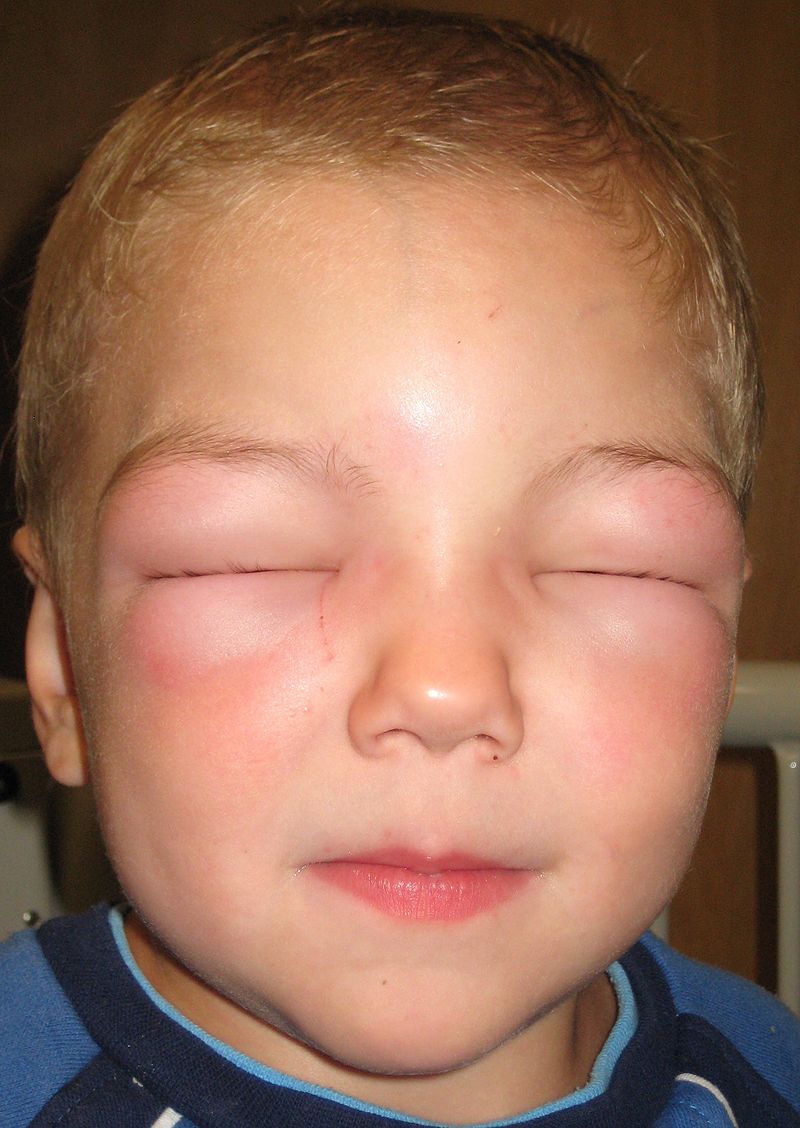
Anaphylactic allergic reactions can cause severe swelling around the eyes and lips as well as in the mouth and throat, causing a risk to the airway. This is known as angioedema
A 12-year-old boy arrives at the ED complaining of difficulty breathing. His parents inform the nurse that the family has a long history of asthma and that the child has suffered previous wheezing episodes but none this severe. Arterial blood gas (ABG) studies performed, while the patient is breathing room air (21% oxygen), reveal: pH 7.21, PO2 65 mmHg, PCO2 62 mmHg, and HCO3 – 24 mEq/L. The nurse would interpret this patient’s ABG result as:
The patient stops breathing shortly after the nurse institutes inhaled bronchodilator therapy, as ordered. After initial ventilation with a bag-valve-mask device, the patient achieves good bilateral chest rising. He is then intubated with an orotracheal tube, and ventilation is continued. A repeat ABG analysis indicates pH, 7.12, PCO2 55 mmHg, PO2 33 mmHg, and HCO3 – 25 mEq/L. No loss of vital signs is noted. The patient is then given 100 mEq of sodium bicarbonate. Ten minutes later, ABG analysis indicates pH, 7.55, PCO2 35 mmHg, PO2 425 mmHg, and HCO3 – 36.5 mEq/L. Based on the latest ABG results, the nurse knows that the patient is exhibiting signs of:
The nurse would expect immediate treatment of a severe allergic drug reaction to include administration of:
Which nursing intervention is appropriate for a patient in anaphylactic shock?
A 51-year-old woman was admitted to the ED about 2 hours ago. She has a history of asthma, and her admitting diagnosis is pneumonia. She is now complaining of breathing difficulty. The nurse notes an audible wheeze and an erythematous rash over the patient’s entire body; the rash was not noted on admission. The patient received an initial dose of penicillin by IV piggyback 1 hour ago but has no history of allergies to antibiotics. Which sign of anaphylaxis would the nurse expect to find while assessing this patient?
A 50-year-old arrives at your ED complaining of nausea, vomiting, diarrhea, and weakness that began about 90 minutes ago. The patient reports that he was eating at a seafood restaurant and the symptoms began shortly after eating there. Which of the following is the likely cause of this patient symptoms?
Which statement concerning allergic drug reactions is true?
After exposure to an allergen, a patient typically develops symptoms of anaphylaxis within:
When advising a patient about how to reduce the risk of future bites or stings, the nurse instructs him to:
A 23-year-old man who had been hiking is brought to the emergency department (ED) after having sustained a snakebite to his lower left leg 20 minutes ago. The most appropriate nursing intervention for this patient would be to:
A 15-year-old boy is brought to the ED by his father for evaluation of a painful, erythemic lesion on his right leg. The patient, who had been walking through a wooded area earlierin the day, thinks that he may have been stung or bitten. Which nursing intervention is appropriate when treating a patient with an insect bite or sting?
Which therapy would the nurse expect the physician to order for a patient who incurred any bite, regardless of the type?
The nurse’s discharge instructions for a patient who suffered an insect-related allergic reaction should include information on all of the following except:
A 29-year-old patient presents to the ED with signs and symptoms of anaphylaxis, after walking through a fire ant hill. Which of the following is the recommended treatment after receiving 1 dose of epinephrine 0.3mg, with minimal relief. ?
A 22-year-old man is brought to the ED by his friends, who inform the nurse that they think he has overdosed on cocaine. After the patient has been in the ED for some time, the nurse begins to evaluate him for signs of withdrawal. Which symptom is characteristic of cocaine withdrawal?
The nurse knows that, unlike other bites, the bite ofthe brown recluse spider: